
The broad bean is related to vetches rather than to other beans and has been cultivated in our regions since ancient times. After the discovery of the Americas, it was largely replaced in gardens and kitchens by common beans. Because it originates from our climate, it tolerates cold much better than other beans and can be sown very early in the year.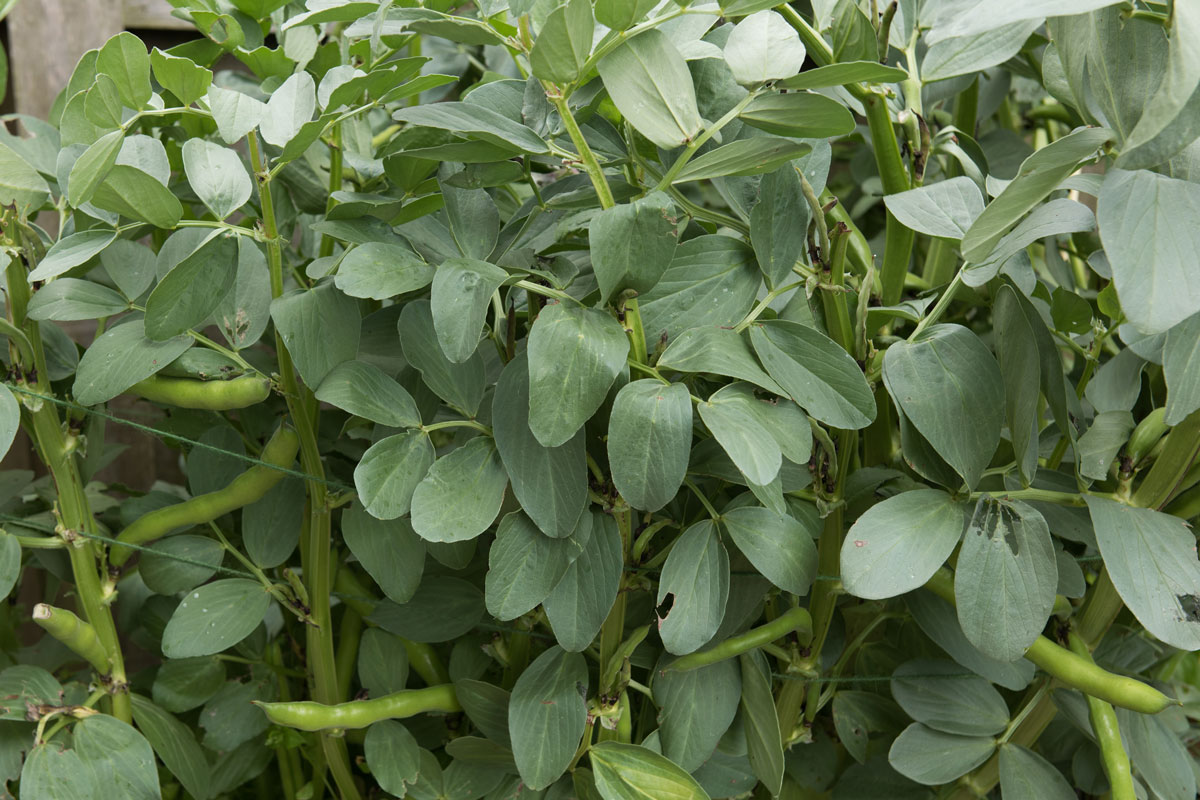
Peter Turner Photography/Shutterstock.com
Broad beans with bacon are still a popular dish in many parts of Europe.
They're making a comeback on recipe pages – they're a great source of protein and genuinely delicious.
Facts and figures
Planting & harvest times of Broad bean
Direct sowing from Mid February to Mid March. Harvest begins around Mid June and continues until Mid July.
Sow Broad bean
Early sowing is key. The plants grow healthier when conditions are cool and moist during germination. For better stability, you can earth up the young seedlings.
You can also grow broad beans as sprouts. Sow the beans closely, about 2 cm apart, in a window box or shallow trays. Cover them with just 2 cm of soil and keep them in a warm spot. Depending on the season and temperatures, you can harvest the sprouts after 3 to 8 weeks, once they're about 20 cm tall. You can sow sprouts this way until about mid-October.
Location and soil
They don't need any special soil, it just shouldn't be too acidic. If it is, add some lime.
Good and bad companions of Broad bean
Predecessors and successors of Broad bean
Keep a 4-year gap before and after other legumes.
Broad beans make excellent preceding crops for many plants, especially those with higher nutrient needs, because their root nodule bacteria leave behind well-fertilised, healthy soil.
Care and fertilising
Thanks to their symbiosis with root nodule bacteria that fix nitrogen from the air, they don't need any fertilising.
Water them regularly.
You can pinch out the tips once the plants reach about 1.2 m (depending on the variety). This makes them grow bushier and helps them ripen better.
Harvest and processing
After about 100 days, the beans are ready to harvest. They should be nice and plump but still soft. You can't eat the pods. Many people prefer to remove the second skin as well after a quick blanch – just squeeze the beans out of it. Use the sprouts like spinach. Broad beans should only be eaten cooked, even though they contain less of the toxin than other beans.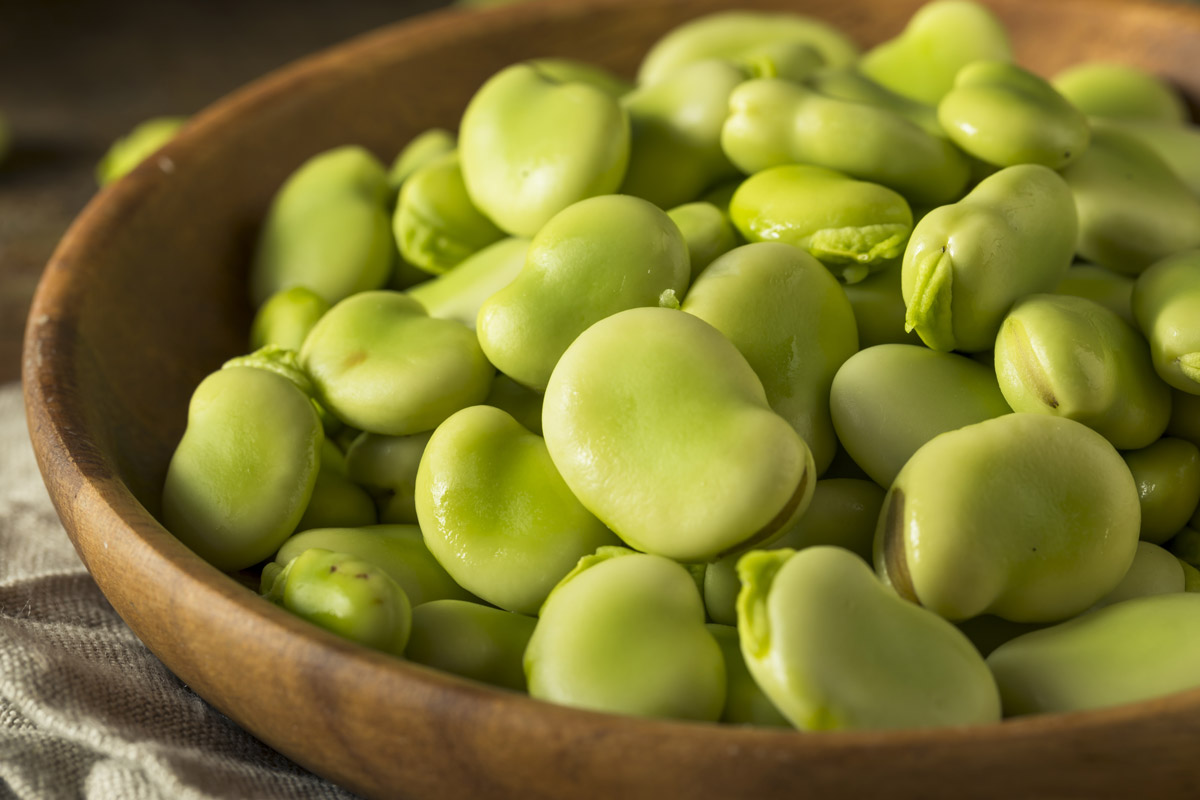
Brent Hofacker/Shutterstock.com