
A plant related to the sunflower that produces edible tubers similar to the potato, with a number of health-promoting properties. The inulin contained in the Jerusalem artichoke tuber is a prebiotic fibre that supports a healthy gut microbiome. The tuber is also interesting for diabetics, as inulin has hardly any effect on blood sugar levels when eaten. Just two of the many positive properties of this attractive edible sunflower.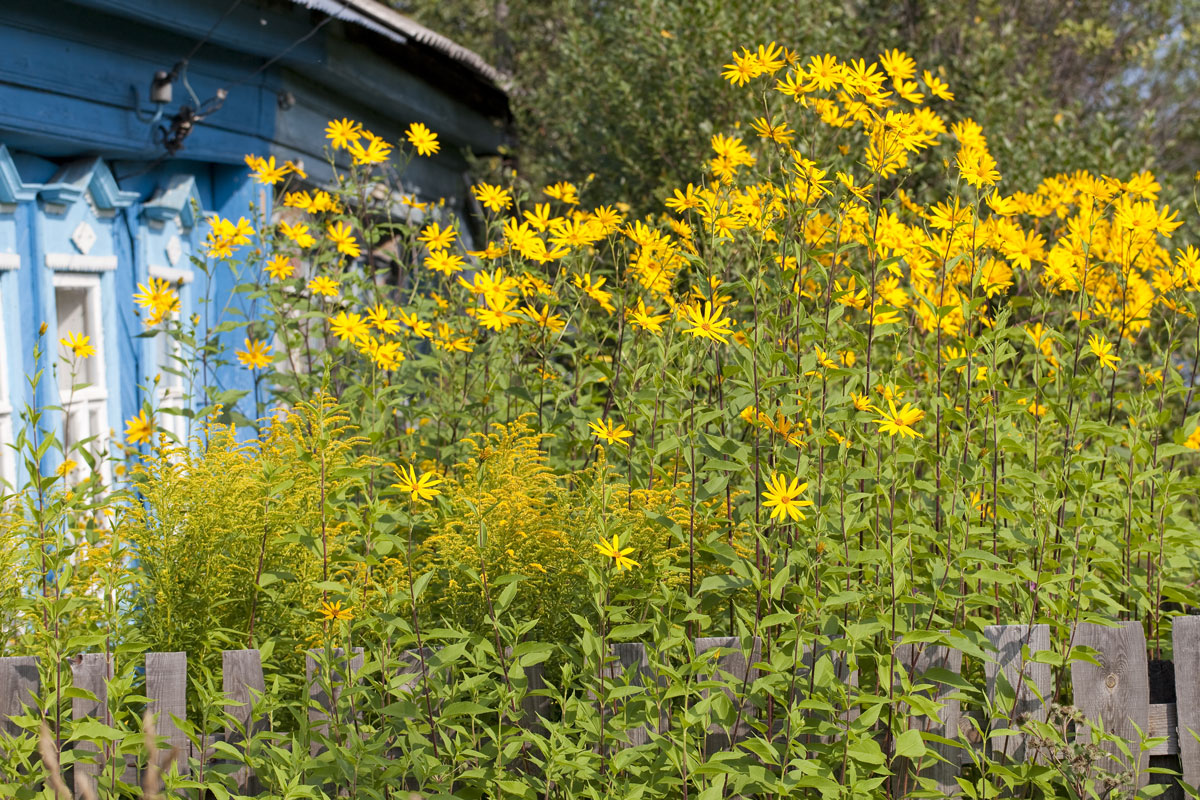
Olga_Anourina/Shutterstock.com
Facts and figures
Planting & harvest times of Jerusalem artichoke
Transplant to bed from Mid March to Late April. Harvest begins around Late October and continues until Mid April next year.
Transplant to bed from Early October to Late November. Harvest begins around Late October and continues until Late December next year.
Plant Jerusalem artichoke
It's best not to plant the tubers in your vegetable bed but rather along the edge or in another sunny spot, as even the tiniest pieces of tuber will sprout again and could spread throughout your bed. The plant also has some ornamental value and can even serve as a temporary privacy screen, as it grows quite tall.
Good and bad companions of Jerusalem artichoke
Harvest and processing
You can harvest the tubers from the end of October and all through winter. As long as the ground isn't frozen, you can keep harvesting right up until the new shoots appear.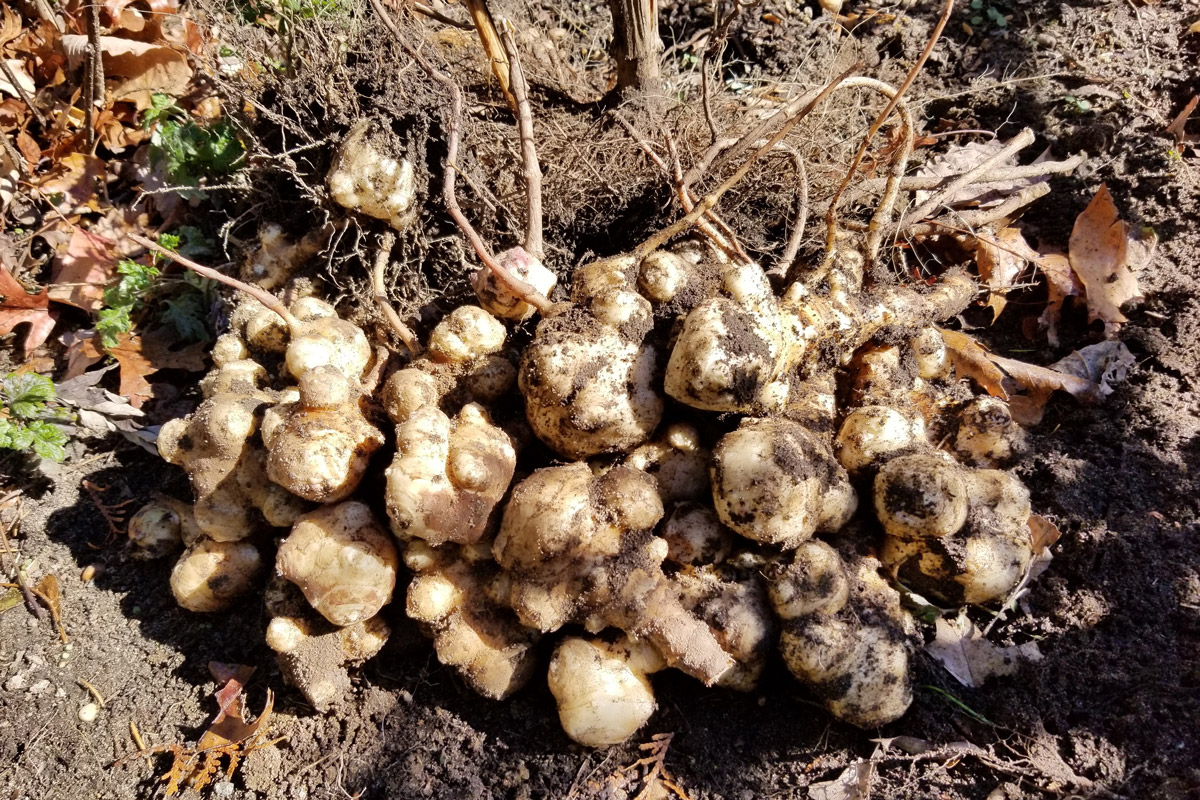
Demetri2K/Shutterstock.com
You can eat them raw or cooked, and you don't even necessarily need to peel them.