
This plant has been domesticated since over 10,000 BC.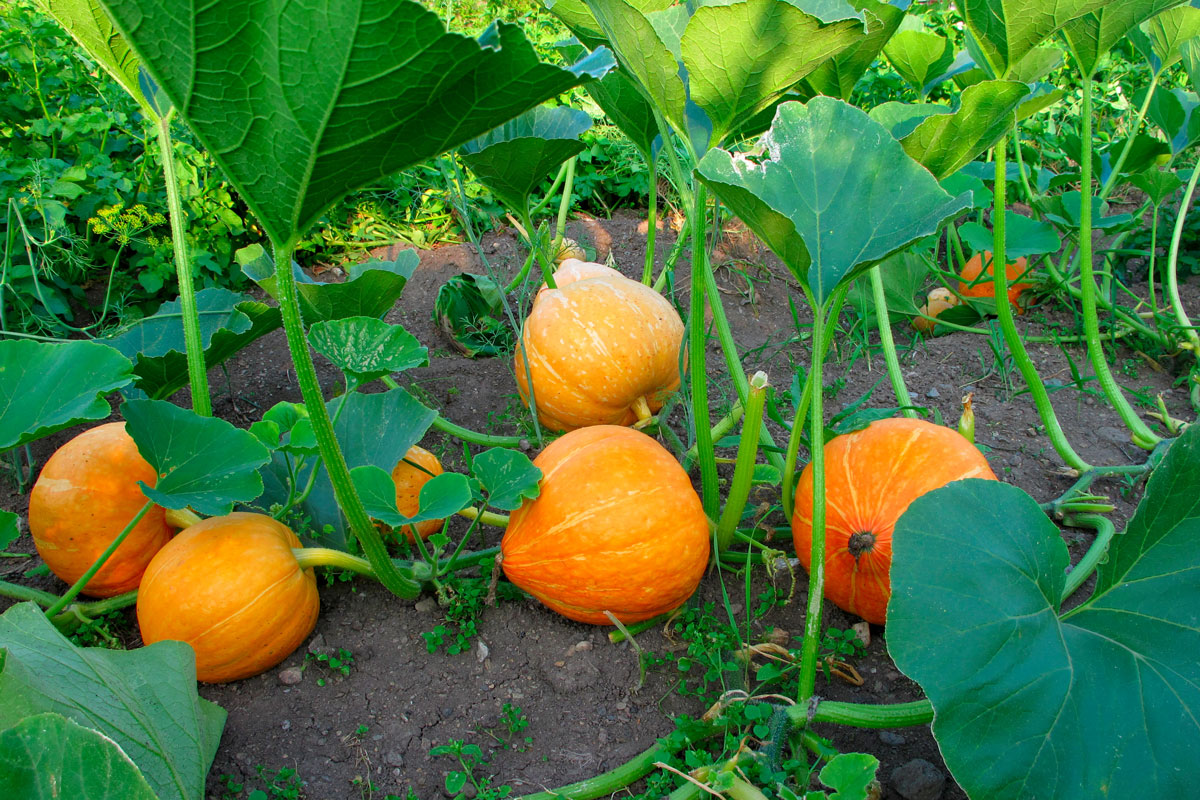
Mila Che/Shutterstock.com
Hardly any other vegetable comes in such an incredible variety of cultivars. You can grow squash in all sorts of shapes, colours and flavours.
That also means a huge range of ripening times.
Some varieties you can already enjoy in summer, as you can keep harvesting them unripe — like the UFO-shaped pattypan squash or courgettes. ;)
Others, like the Hokkaido, you can harvest as early as late August, at the start of autumn.
Then there are slower-ripening varieties, like certain butternut squashes that you can only pick from the bed in early October.
Make sure to bring in the last squashes before the first frosts, though.
And of course, squashes are hugely popular as autumn and Halloween decorations.
Facts and figures
Planting & harvest times of Squash
Planting 1Direct sowing from Mid May to Early June. Transplant to bed from Mid May to Mid June. Pre-grow about 25 days before planting out, approximately between Mid April and Mid May. Harvest begins around Late August and continues until Late November.
Planting 2Direct sowing from Mid May to Early June. Transplant to bed from Mid May to Mid June. Pre-grow about 25 days before planting out, approximately between Mid April and Mid May. Harvest begins around Late June and continues until Late October.
Sow and plant Squash
Planting 1: classic autumn squash
Planting 2: summer squash
Sow the seeds straight into a larger pot with potting compost. Don't prick them out — they can't handle root damage.
Plant at least two plants. The fruits only develop when pollinated by another plant.
Good and bad companions of Squash
Predecessors and successors of Squash
Care and fertilising
These plants are heavy feeders. Prepare the soil with compost or well-rotted manure, and once fruits start forming, feed now and then with plant liquid feeds or brews.
Water generously, especially while the fruits are growing. Later, as they ripen, water only moderately so the squashes don't split.
Harvest and processing
When squashes are ripe depends heavily on the variety. Squashes you want to store also need to be much riper than ones you plan to use straight away. Summer squashes you even harvest completely unripe. Watch out for bitter squashes. Never eat them! The bitter compounds are toxic and even in small amounts cause vomiting and diarrhoea, and can seriously damage the mucous membranes of the digestive tract.
Storage squashes must be fully mature. The skin should be so firm that you can't scratch it with your fingernail. The stem must be hard and dry, and you need to leave at least 3 cm of it attached to the fruit when harvesting.
Ideally, let them cure for 1 to 2 weeks in a bright, dry spot at around 20 °C, with the resting point facing upwards.
Fruits can turn bitter if you've saved seeds from squashes that grew near ornamental gourds. Ornamental gourds often still contain high levels of these bitter compounds, which is why you must never eat them. If they grow too close together, the bitter traits cross back in.
For storage, choose a cool room at 12 °C to 18 °C and avoid stacking the squashes if possible.
Depending on the variety, they'll keep for 2 to 6 months — some butternut types even up to a year.