
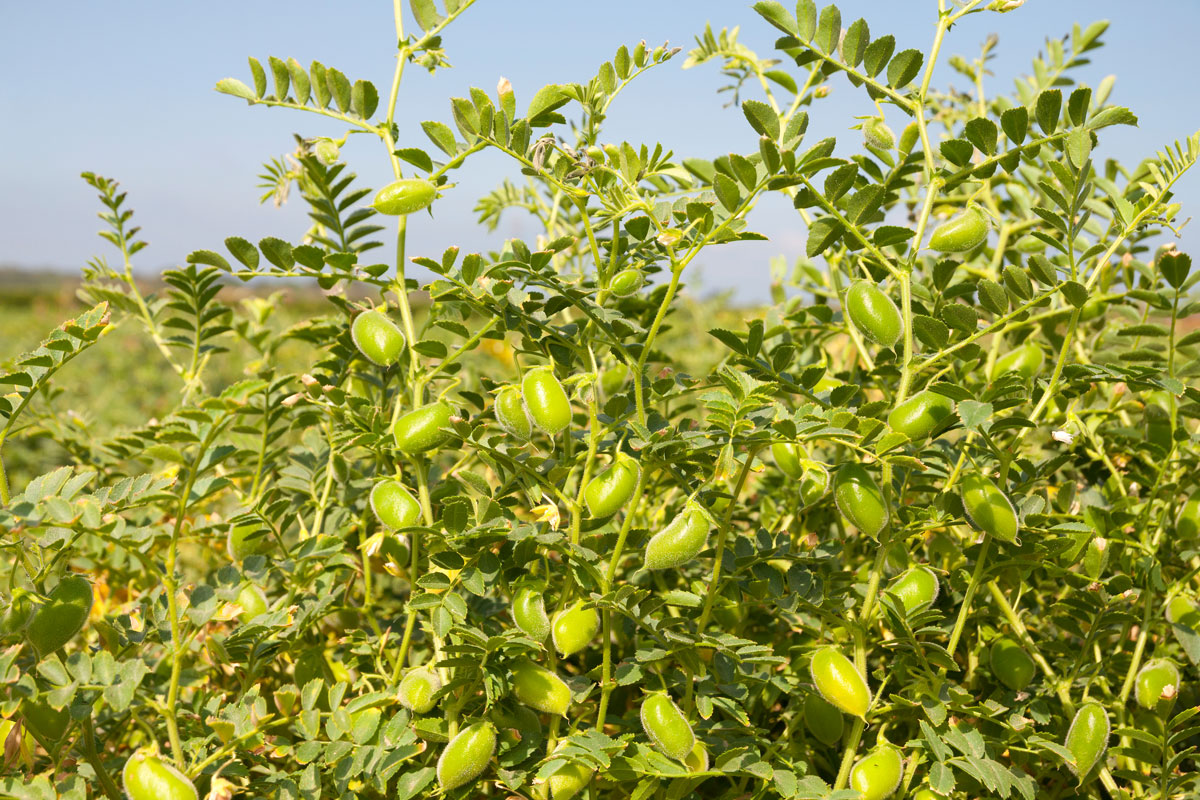
Le pois chiche a besoin de beaucoup de chaleur. Sous nos latitudes, il faut idéalement un climat viticole et des variétés précoces pour qu'il arrive à maturité. Le nom vient du latin "cicer", qui signifie tout simplement pois.
Chiffres et données
Pois chiche: périodes de plantation et de récolte
Semis direct de Mi Mai à Mi Juin. Repiquage de Mi Mai à Mi Juin. Pré-culture environ 21 jours avant le repiquage, approximativement entre Fin Avril et Fin Mai. Après une période de culture de 110 jours, la récolte peut commencer vers Mi Juillet et se poursuit jusqu'à Fin Septembre.
Semer et planter Pois chiche
Les jeunes plants ont de meilleures chances si tu les fais démarrer en pots.
Emplacement et sol
Il préfère un sol sableux et pauvre en nutriments. Il ne supporte pas les sols lourds et humides. L'emplacement doit être chaud et abrité.
Pois chiche: bons et mauvais voisins
Pois chiche: prédécesseurs et successeurs
- Pathogène tellurique commun
- Pathogène tellurique commun
- Pathogène tellurique commun
- Pathogène tellurique commun
- Pathogène tellurique commun
- Pathogène tellurique commun
- Pathogène tellurique commun
- Pathogène tellurique commun
- Pathogène tellurique commun
- Pathogène tellurique commun
- Pathogène tellurique commun
- Pathogène tellurique commun
- Pathogène tellurique commun
- Pathogène tellurique commun
- Pathogène tellurique commun
- Pathogène tellurique commun
- Pathogène tellurique commun
- Pathogène tellurique commun
- Pathogène tellurique commun
- Auto-incompatibilité
- Libération d'azote
- Libération d'azote
- Libération d'azote
- Libération d'azote
- Libération d'azote
- Libération d'azote
- Libération d'azote
- Libération d'azote
- Libération d'azote
- Libération d'azote
- Libération d'azote
- Libération d'azote
- Libération d'azote
- Libération d'azote
- Libération d'azote
- Libération d'azote
- Libération d'azote
- Libération d'azote
- Libération d'azote
- Libération d'azote
- Libération d'azote
- Libération d'azote
- Libération d'azote
- Libération d'azote
- Libération d'azote
- Libération d'azote
- Libération d'azote
- Libération d'azote
- Libération d'azote
- Libération d'azote
- Absorption de l'azote résiduel
- Libération d'azote
- Libération d'azote
- Trop d'azote pour un successeur sensible
- Trop d'azote pour un successeur sensible
- Pathogène tellurique commun
- Pathogène tellurique commun
- Pathogène tellurique commun
- Pathogène tellurique commun
- Pathogène tellurique commun
- Pathogène tellurique commun
- Pathogène tellurique commun
- Trop d'azote pour un successeur sensible
- Trop d'azote pour un successeur sensible
- Trop d'azote pour un successeur sensible
- Pathogène tellurique commun
- Pathogène tellurique commun
- Pathogène tellurique commun
- Trop d'azote pour un successeur sensible
- Pathogène tellurique commun
- Pathogène tellurique commun
- Pathogène tellurique commun
- Pathogène tellurique commun
- Pathogène tellurique commun
- Pathogène tellurique commun
- Pathogène tellurique commun
- Pathogène tellurique commun
- Pathogène tellurique commun
- Auto-incompatibilité
Variétés
Choisis des variétés à maturation précoce.
Entretien et fertilisation
Ils n'ont pas besoin d'engrais et supportent bien la sécheresse.
Ils servent eux-mêmes d'engrais vert et laissent un sol enrichi en azote, comme les autres légumineuses. Ils constituent donc une excellente culture précédente pour différentes plantes gourmandes.
Maladies et ravageurs
Récolte et transformation
Tu devrais faire tremper les pois chiches crus une nuit dans l'eau pour éliminer les substances amères et une toxine appelée phasine. Jette l'eau de trempage.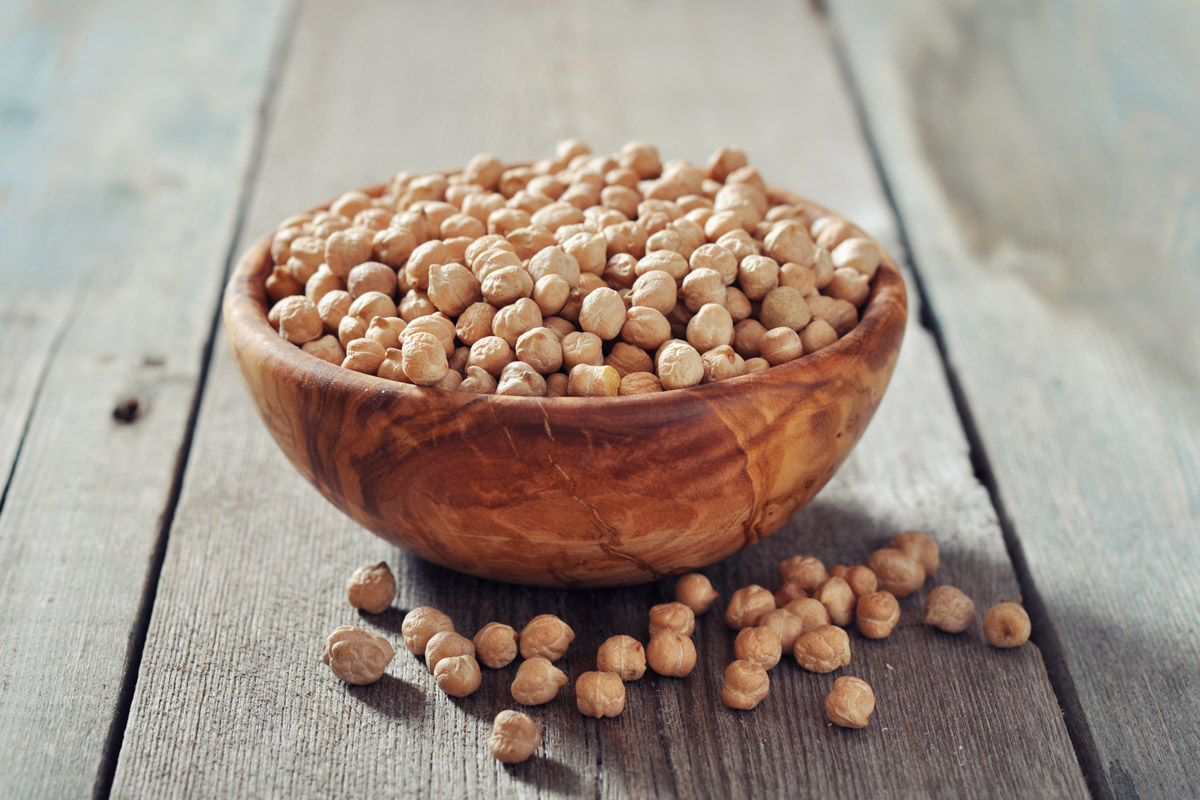
Ouvrir le plan de planche 7 jours d'essai gratuit, web, iOS et Android