
Tomatoes belong to the nightshade family and are an absolute must in any garden. Depending on the variety, they grow bushy or climb several metres high, and the range of colours, shapes and sizes is enormous. From small sweet cherry tomatoes to large beefsteak tomatoes, there's something for everyone. Tomatoes need warmth and a sunny, sheltered spot. They're not too fussy about soil, but they really don't like waterlogging. Cool, damp weather causes them trouble quickly. The flowers are mostly self-pollinating, though a visit from insects certainly doesn't hurt.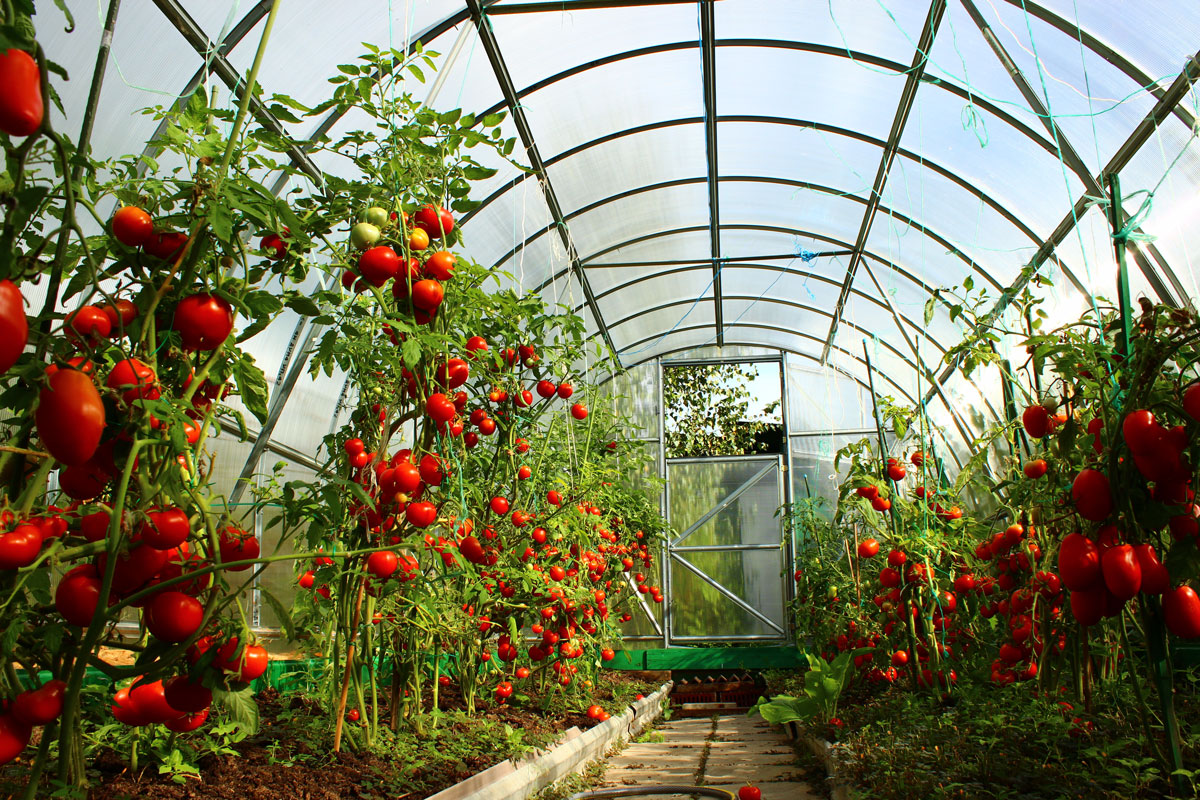
Kingarion/Shutterstock.com
Facts and figures
Planting & harvest times of Tomato
OutdoorsDirect sowing from Mid May to Mid June. Transplant to bed from Mid May to Late June. Pre-grow about 50 days before planting out, approximately between Late March and Early May. After a growing period of 150 days, harvest can begin around Early July and continues until Late October.
GreenhouseTransplant to bed from Mid April to Early June. Pre-grow about 50 days before planting out, approximately between Late February and Mid April. After a growing period of 150 days, harvest can begin around Mid June and continues until Late October.
Sow and plant Tomato
The best time to sow is late March to early April. Place the seeds about 5 mm deep in moist, well-drained soil and keep them at 24 to 28 °C to germinate. After germination, move the seedlings somewhere cooler (around 15 °C) so they grow sturdy and compact. Prick them out into larger pots after two to three weeks. If you sow too early and light levels are low, you'll end up with leggy plants.
Don't plant tomatoes outdoors until mid-May, after the last frost. Set the plants in at an angle and deep — the stem will form extra roots. Spacing in the row is 50 to 100 cm depending on variety, with 75 to 100 cm between rows. In a greenhouse, you can plant a bit closer together.
Location and soil
Tomatoes want a sunny, warm spot with good air circulation. Some wind protection helps, as they don't cope well with strong gusts. The soil should be well-drained, rich in humus and nutrients. Before planting, it's worth loosening the soil deeply.
A layer of mulch made from straw or grass clippings keeps moisture in the soil, keeps weeds at bay and stabilises the soil temperature. Water from below if you can, as wet leaves are an open invitation for fungal diseases.
Growing in pots on a balcony or patio works just as well, as long as you use a large enough container (at least 20 litres) and water regularly.
Good and bad companions of Tomato
In companion planting, tomatoes benefit from the right neighbours. Basil and parsley keep pests away with their essential oils. Onions, leeks and garlic drive off aphids and whiteflies. Lettuce, spinach and carrots work well as underplanting because they shade the soil. Marigolds help against nematodes and attract pollinators.
Keep potatoes well away from tomatoes, as they can spread late blight. Fennel and cucumbers aren't good neighbours either.
Predecessors and successors of Tomato
Tomatoes are heavy feeders. Move them to a different bed each year to prevent diseases like late blight. Green manure crops such as yellow mustard or field beans make a great preceding crop, as they enrich the soil with nitrogen. After the tomato harvest, follow up with less hungry crops to give the soil a break.
Varieties
The range of varieties is huge. For outdoor growing, go for robust varieties that resist late blight. Bush and patio tomatoes grow compactly and fit nicely into pots. Beefsteak tomatoes tend to grow larger and need a sturdy support. Pick a variety that suits your growing conditions and what you want to use them for.
Care and fertilising
Regular side-shooting is part of tomato care. You remove the side shoots that grow in the leaf axils so the plant puts its energy into the main stem and fruit. Do this in the morning in dry weather, and the wounds heal quickly. With bush varieties or cherry tomatoes, you can skip side-shooting altogether.
Water sparingly and with purpose. The plants only need water when the leaves droop in the morning. Before planting, work in compost and well-rotted manure. During the season, feed with nettle or comfrey tea. Use strings, stakes or spiral supports to keep them upright.
Diseases and pests
The biggest threat is late blight (Phytophthora infestans). It strikes mainly in damp weather and can destroy plants in no time. A rain cover over the plants or growing in a greenhouse offers the best protection. Only water at the base and keep the foliage dry.
Blossom end rot is caused by uneven soil moisture, which disrupts calcium uptake. Leaf mould mainly occurs in greenhouses and can be controlled with good ventilation. Always remove affected leaves straight away and disinfect your tools. Copper sprays should really only be a last resort, as copper builds up in the soil.
Harvest and processing
Depending on the variety, it takes 90 to 120 days from sowing to harvest. If the fruit won't ripen in autumn, you can pull up the whole plant and hang it upside down in a cool, dark place. Green or half-ripe tomatoes will ripen at 10 to 13 °C, ideally next to an apple that gives off ethylene. This way they'll keep for up to three months. Never store tomatoes in the fridge — they lose flavour and go wrinkly. Fresh, bottled, dried or as a sauce: tomatoes are incredibly versatile.