
The cape gooseberry originally comes from the highlands of the South American Andes and belongs to the nightshade family. That makes it a close relative of tomatoes, peppers and potatoes. In its homeland it grows as a perennial shrub, but here it's usually grown as an annual because it can't handle frost. If you fancy, you can dig it up before the first frost and overwinter it in a frost-free spot. The botanical name Physalis comes from the Greek word for 'bladder' and describes the papery husk that wraps around each fruit like a little lantern. This husk isn't just pretty to look at – it naturally protects the berry from pests and weather. The flavour of ripe fruit is uniquely sweet-tart, somewhere between gooseberry, kiwi and a hint of pineapple. The plant arrived in Europe at the end of the 18th century, initially as an ornamental. Via South Africa, where it thrived so well at the Cape that it picked up the name 'Cape gooseberry', it found its way into our gardens. Home-grown fruit tastes noticeably more flavourful than the often unripe supermarket offerings. All green plant parts and unripe fruit are mildly toxic and can cause nausea and stomach cramps.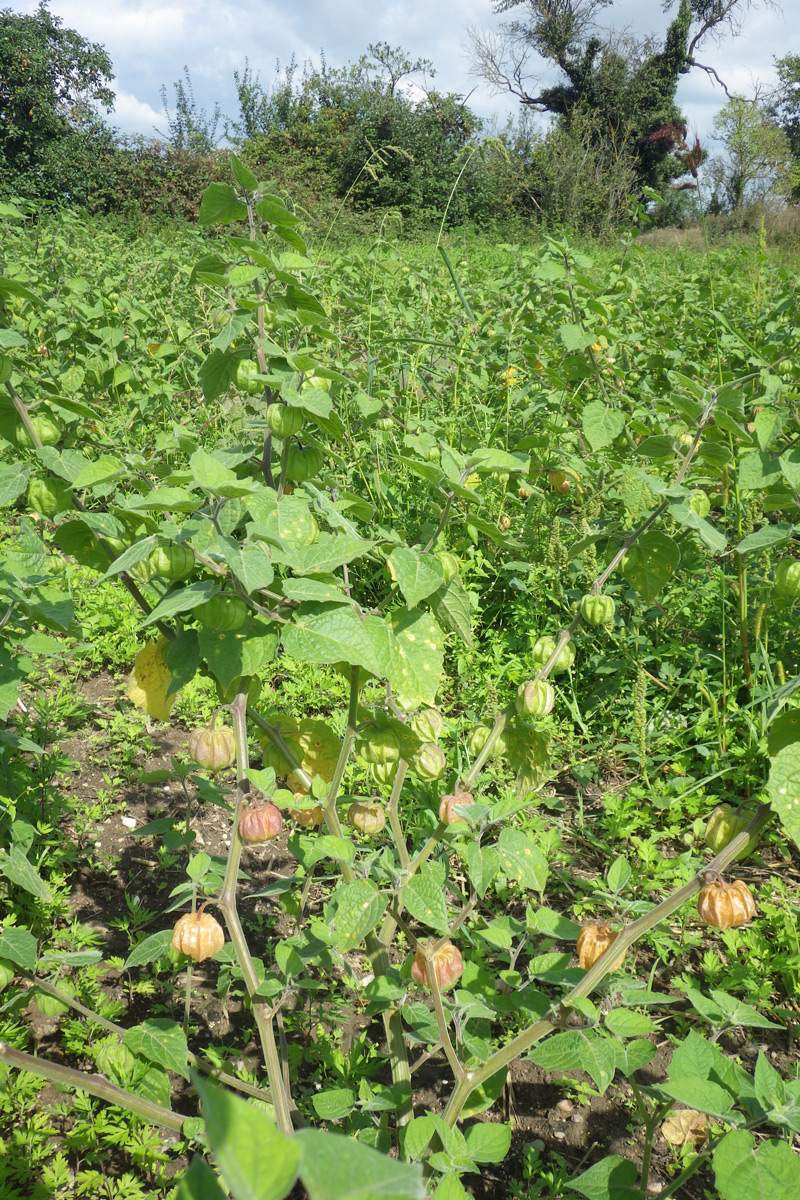
Josef Schlaghecken/CC BY-SA 4.0
Facts and figures
Planting & harvest times of Cape gooseberry
Transplant to bed from Mid May to Mid June. Pre-grow about 90 days before planting out, approximately between Mid February and Mid March. After a growing period of 200 days, harvest can begin around Mid August and continues until Late October.
Plant Cape gooseberry
The cape gooseberry needs a long growing season, so starting it indoors is essential. Direct sowing outdoors doesn't work in our climate. From mid-February to mid-March, sow the seeds about 0.5 cm deep in low-nutrient seed compost. At temperatures of 20 to 25 °C they germinate in 7 to 21 days, though the timing varies depending on variety and conditions. If you don't have a grow light, it's best not to start before mid-February, otherwise the seedlings get leggy and thin.
After about three to four weeks, prick the seedlings out into larger pots. They grow slowly at first, so don't worry if things seem to take a while. You can only plant them outdoors after the last frosts in mid-May. Before that, it's worth putting them outside in a sheltered spot during the day to harden them off gradually.
When planting out, leave 80 cm spacing in all directions – cape gooseberries get properly bushy. You can plant them a bit deeper than they sat in the pot; the buried stem will produce extra roots. If you want to keep the plant going for multiple years, dig it up in October before the frost and overwinter it in a bright spot at 10 to 15 °C. Cut the stems back by half beforehand. The following year, an overwintered plant fruits noticeably earlier and more abundantly.
Location and soil
The cape gooseberry loves sun – and lots of it. At least six to eight hours of direct sunlight a day keeps the fruit sweet and flavourful. A sheltered spot, for instance against a wall or hedge, is ideal because the stems are quite brittle.
When it comes to soil, the cape gooseberry is surprisingly easy-going. It should be loose and well-drained – sandy soils often give the best results. Waterlogging is the one thing it can't stand. A slightly acidic soil suits it best. Freshly manured ground is actually counterproductive: too many nutrients push leafy growth but slow down fruit production.
The cape gooseberry also works well on a balcony or patio. The container should hold at least 15 to 20 litres, ideally 30 to 40 litres. A drainage layer at the bottom of the pot is a must to stop water sitting around.
Good and bad companions of Cape gooseberry
Bush and runner beans are among the best companions for cape gooseberries. As legumes, they fix nitrogen from the air and enrich the soil – the undemanding physalis benefits from this without getting into nutrient competition. Spinach and lamb's lettuce make perfect ground cover between plants, keeping the soil moist without crowding the cape gooseberry.
Onions and garlic are welcome partners too. Their strong scent keeps aphids at bay, which is always a bonus with nightshades. Pot marigolds and French marigolds nearby deter nematodes through their root secretions, and their flowers attract pollinators.
Keep your cape gooseberry well away from all other nightshades. Tomatoes are the worst possible neighbour, as both share the same pests and diseases. The same goes for potatoes, peppers, chillies and aubergines. Cucumbers don't make a good match either, because both compete for water and nutrients and powdery mildew can spread more easily.
Predecessors and successors of Cape gooseberry
As with all nightshades, you should leave at least three to four years before growing cape gooseberries in the same spot again. This includes tomatoes, peppers, potatoes and aubergines too, since soil-borne fungal pathogens and nematodes persist in the ground and can attack the next related crop straight away.
Peas and beans are the best predecessors. They leave behind nitrogen-rich soil, giving the cape gooseberry a strong start without extra fertilising. Lettuce, spinach and brassicas also work well, as they barely deplete the soil and don't bring any shared diseases.
As successors after physalis, beans and peas help rebuild nitrogen levels. Lettuce and root vegetables like carrots or beetroot round off the rotation nicely. Brassicas can follow too, but they'll need a good dose of compost.
Varieties
There's a lovely range of varieties to choose from these days. 'Schönbrunner Gold' is the classic choice in German-speaking countries: open-pollinated, large-fruited and particularly aromatic, with a flavour reminiscent of kiwi and gooseberry. The plants can grow up to two metres tall and need plenty of space. For smaller gardens or balconies, 'Little Lanterns' is well worth a look – a compact variety with a trailing habit that works brilliantly in containers and hanging baskets.
If you're gardening in cooler regions with shorter summers, go for early-ripening varieties like 'Preciosa'. This one stays fairly compact at around 80 cm tall and delivers golden-yellow fruit from mid-August onwards. In warmer, more sheltered spots, you can happily choose the more aromatic but later-ripening 'Schönbrunner Gold'.
Care and fertilising
The cape gooseberry is fairly low-maintenance if you follow a few basic rules. Water regularly and evenly, especially during flowering and fruiting. Water at the base rather than over the leaves to keep fungal problems at bay. On hot summer days in full sun, daily watering may be needed.
A layer of mulch around the plants keeps moisture in the soil and regulates temperature. When it comes to feeding: less is more. Physalis is a moderate feeder – a decent helping of compost at planting time is often enough. Too much fertiliser gives you lush foliage but fewer fruit. For container plants, you can give a little organic liquid feed in July.
Staking the cape gooseberry is often a good idea, as the stems snap easily – especially when loaded with fruit or when it's windy. Put bamboo canes or a trellis in place early on. Pinching out side shoots isn't strictly necessary, but you can remove overcrowded or low-growing stems to improve air circulation.
Diseases and pests
The Cape gooseberry is a tough plant overall. Its natural papery husk protects the fruit from many pests. Still, a few troublemakers like to have a go at it.
Ladybirds, hoverflies and lacewings help against aphids (Aphidoidea). For a light infestation, you can wash them off or use neem extract. Onions and garlic planted nearby act as a deterrent.
Whitefly (Trialeurodes vaporariorum) is particularly troublesome under glass. Good ventilation and enough spacing between plants help prevent it, while yellow sticky traps and parasitic wasps deal with an active infestation. Spider mites (Tetranychidae) show up in dry heat and give themselves away through fine webs on the undersides of leaves.
Grey mould (Botrytis cinerea) can attack the fruit in damp weather and when plants are too close together. Powdery mildew appears as a whitish, floury coating on the leaves. Against both fungal diseases, a sunny and airy spot, enough spacing, consistent crop rotation and watering at ground level make the biggest difference. Marigolds and French marigolds planted nearby support soil health. Remove affected plant parts straight away and don't put them on the compost.
Harvest and processing
From late August until the first autumn frost, you can harvest cape gooseberries. The fruit ripens continuously, so harvesting stretches over several weeks into October. A fruit is ripe when its husk has completely dried out and rustles like paper. The golden-yellow berry then shines through the husk. Even simpler: fully ripe fruit drops off on its own, which you can use to your advantage. Before eating, remove the berry from its husk and give it a quick rinse – the surface is slightly sticky. Left in their husks and stored cool and dry at 10 to 15 °C, the fruit keeps surprisingly well, often for several weeks.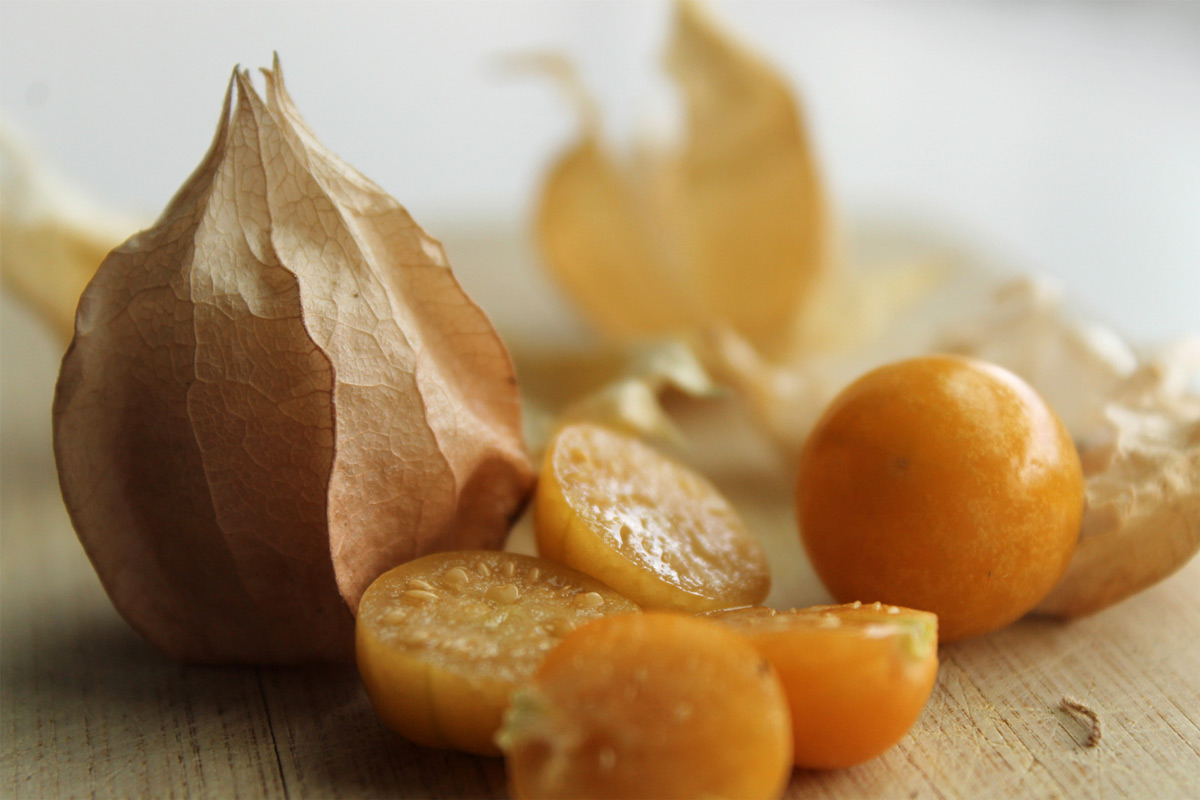
Ph0705/CC BY-SA 4.0