
Other names
common parsnip, garden parsnip
Botanical name
Pastinaca sativa
Family / Genus
Apiaceae / Pastinaca
Plant category
Root and tuber vegetables
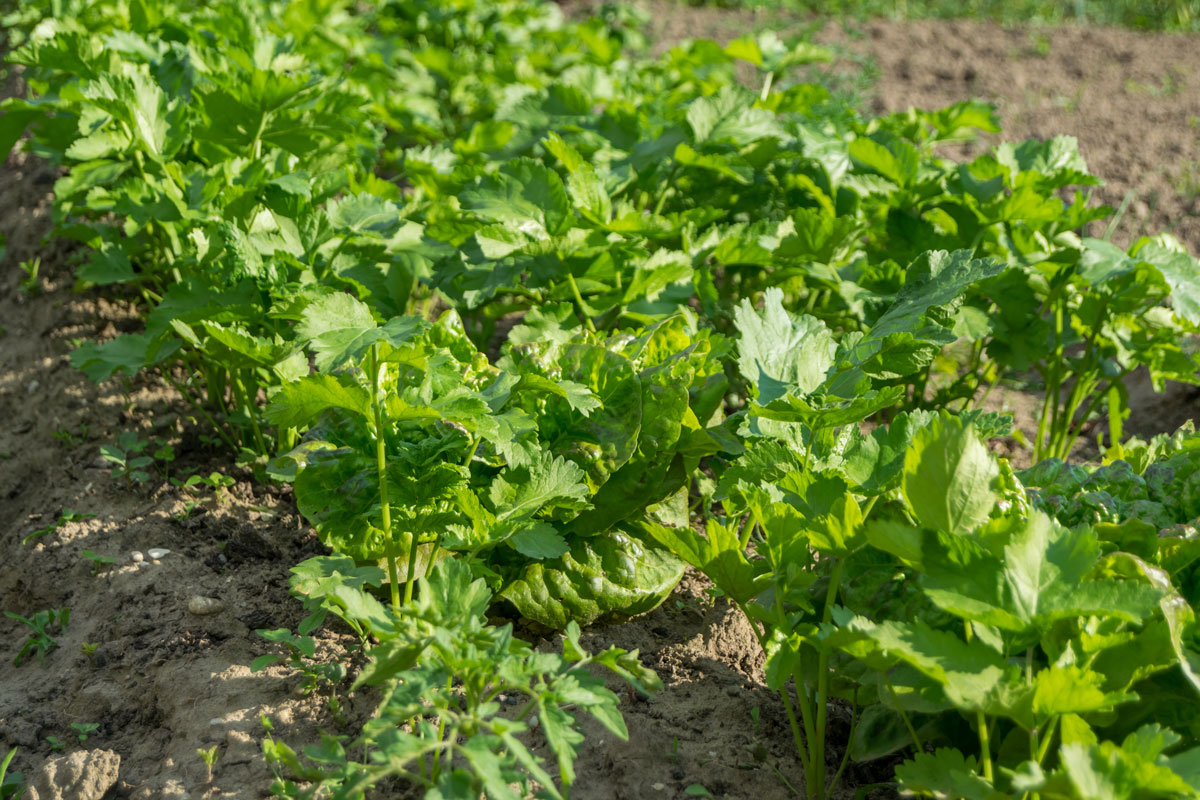
greenair/Shutterstock.com
Facts and figures
Light requirements
Sun / partial shade
Nutrient requirements
Medium feeder
Difficulty level
Intermediate
Culture (according to Gertrud Franck)
B - early, B - late, C - low growth, short growing period
Culture (according to Sister C. Weinrich)
Companion crop
Growing period
150 - 180 days
Row spacing
40 cm
Plant spacing
8 cm
Growth height
30 - 50 cm
Sowing depth
3 cm
Germination temperature (minimum)
6 °C
Germination temperature (optimal)
15 - 25 °C
Germination type
Light and dark
Planting & harvest times of Parsnip
1
2
3
4
5
6
7
8
9
10
11
12
Direct sowing
Harvest
Harvest (next year)
Planting 1Direct sowing from Early March to Late April. After a growing period of 180 days, harvest can begin around Early September and continues until Late November.
Planting 2Direct sowing from Early June to Mid June. After a growing period of 150 days, harvest can begin around Late October and continues until Mid April next year.
Sow Parsnip
Planting 1: Harvest as fresh vegetables
Planting 2: Storage
Good and bad companions of Parsnip
Good neighbours
Chives
Evidence quality: good
Evidence: Specialist book, Guidebooks, companion planting charts, tradition
Courgette
Evidence quality: good
Evidence: Long-standing companion planting practice (e.g. Gertrud Franck, Schwester C. Weinrich)
Garlic chives
Evidence quality: good
Evidence: Specialist book, Guidebooks, companion planting charts, tradition
Onion
Evidence quality: good
Evidence: Specialist book, Long-standing companion planting practice (e.g. Gertrud Franck, Schwester C. Weinrich), Guidebooks, companion planting charts, tradition
Radish
Radishes germinate quickly and mark the rows of slow-germinating parsnips. They are harvested before the parsnips need the space.
Evidence quality: good
Evidence: Specialist book
Reasons:
- Practical tip for this pair
Shallot
Evidence quality: good
Evidence: Specialist book, Long-standing companion planting practice (e.g. Gertrud Franck, Schwester C. Weinrich)
Spring onion
Spring onions can be sown thinly mixed with parsnips and are pulled carefully before they need the space.
Evidence quality: good
Evidence: Specialist book, Long-standing companion planting practice (e.g. Gertrud Franck, Schwester C. Weinrich), Tradition agrees across several language regions
Reasons:
- Practical tip for this pair
Bad neighbours
Predecessors and successors of Parsnip
Good predecessors
Amaranth
Lasting effect: 1 year
Black kale
Lasting effect: 3 years
Broccoli
Lasting effect: 1 year
Evidence quality: good
Evidence: Specialist book
Reasons:
- Loosens soil, improves soil structure
- Weed suppression for the next crop
Brussels sprouts
Lasting effect: 3 years
Buckwheat
Lasting effect: 3 years
Cauliflower
Lasting effect: 1 year
Evidence quality: good
Evidence: Specialist book
Reasons:
- Loosens soil, improves soil structure
- Weed suppression for the next crop
Courgette
After well-weeded courgettes the bed is clean and the soil fine and crumbly. Parsnips are then easy to sow.
Lasting effect: 1 year
Evidence quality: good
Evidence: Specialist book
Reasons:
- Weed suppression for the next crop
Flower Sprouts
Lasting effect: 3 years
Kale
Lasting effect: 1 year
Evidence quality: good
Evidence: Specialist book
Reasons:
- Loosens soil, improves soil structure
- Weed suppression for the next crop
Leek
Lasting effect: 1 year
Evidence quality: good
Evidence: Specialist book, Derived from plant family or pathogen, pair not directly documented
Reasons:
- Loosens soil, improves soil structure
Lupin
Lasting effect: 3 years
Oats
Lasting effect: 3 years
Pointed cabbage
Lasting effect: 3 years
Red cabbage
Lasting effect: 3 years
Romanesco
Lasting effect: 3 years
Savoy cabbage
Lasting effect: 3 years
Squash
After well-weeded squash the bed is clean and the soil fine and crumbly. Parsnips are then easy to sow.
Lasting effect: 1 year
Evidence quality: good
Evidence: Specialist book
Reasons:
- Weed suppression for the next crop
Subterranean clover
Lasting effect: 3 years
Tomato
Lasting effect: 3 years
White cabbage
Lasting effect: 3 years
Bad predecessors
Carrot
Rotation break: 4 years
Celeriac
Rotation break: 4 years
Cutting celery
Rotation break: 4 years
Dill
Rotation break: 4 years
Fennel
Rotation break: 3 years
Hamburg parsley
Rotation break: 3 years
Horseradish
Rotation break: 3 years
Parsley
Rotation break: 3 years
Parsnip
Rotation break: 3 years
Winter rye
Rye releases growth-inhibiting compounds that stop fine seed from germinating. Wait 3 to 4 weeks after incorporation.
Rotation break: 1 year
Very bad predecessors
Celery
Rotation break: 4 years
Bad successors
Batavia lettuce
Rotation break: 3 years
Butterhead lettuce
Rotation break: 3 years
Carrot
Rotation break: 4 years
Celeriac
Rotation break: 4 years
Cutting celery
Rotation break: 4 years
Dill
Rotation break: 4 years
Fennel
Rotation break: 3 years
Hamburg parsley
Rotation break: 4 years
Horseradish
Rotation break: 3 years
Iceberg lettuce
Rotation break: 3 years
Lollo biando / Lollo rosso
Rotation break: 3 years
Oak leaf lettuce
Rotation break: 3 years
Parsley
Rotation break: 4 years
Parsnip
Rotation break: 3 years
Romaine lettuce
Rotation break: 3 years
Very bad successors
Celery
Rotation break: 4 years
Harvest and processing
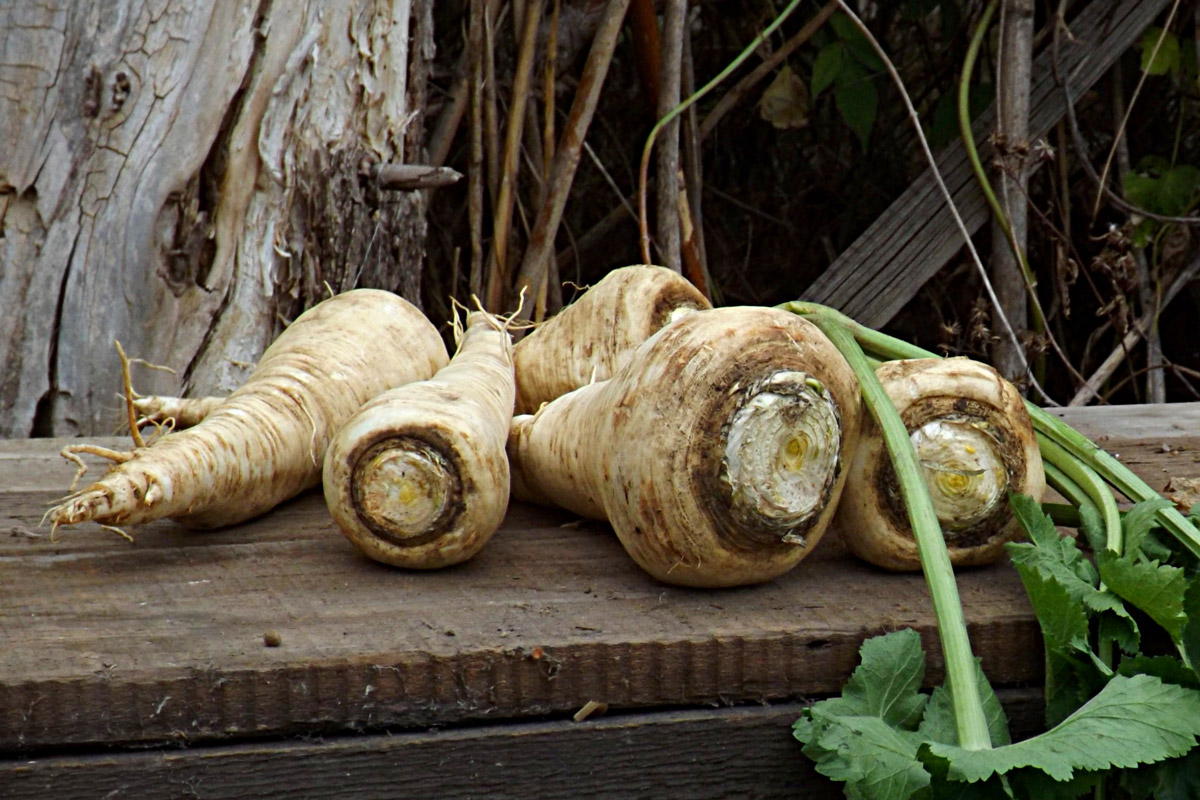
Viktor Kovtun/Shutterstock.com