
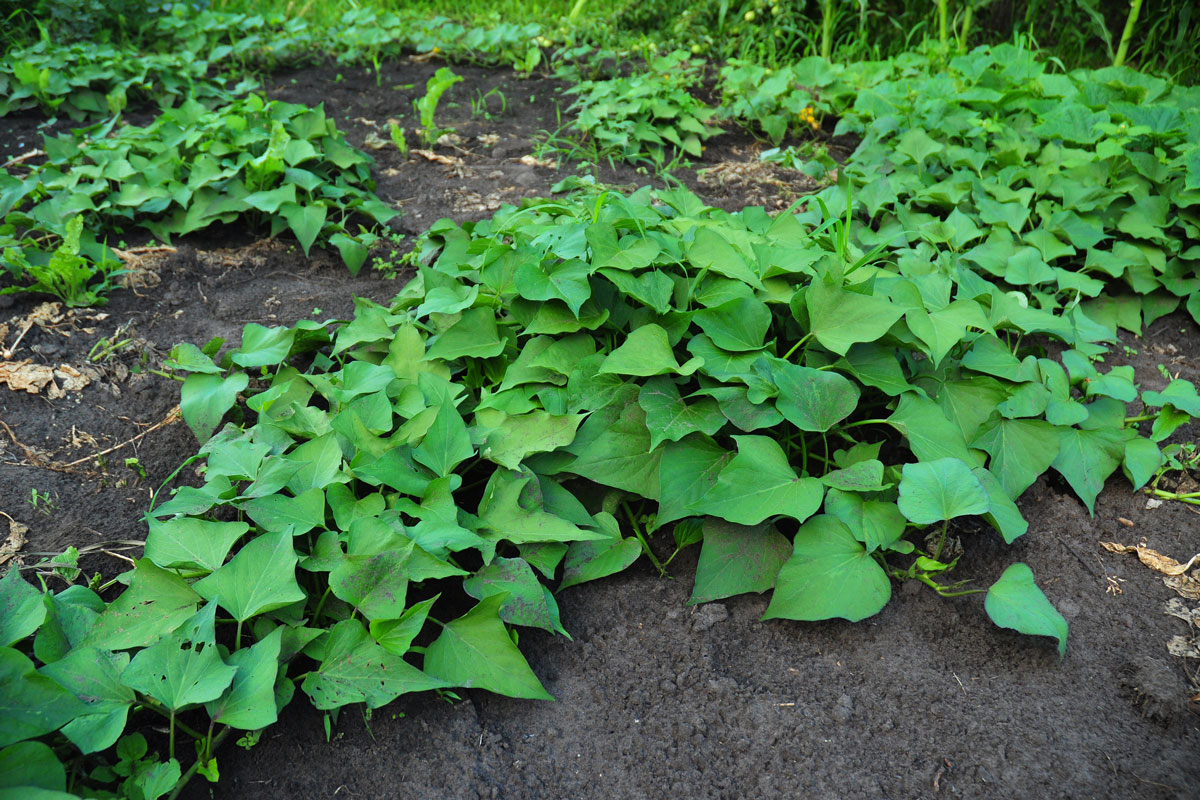
The sweet potato originally comes from the tropical regions of Central America.
It has become a staple food in many parts of Africa and South America, especially for poorer communities.
It is only very distantly related to the potato. It belongs to the morning glory family.
Facts and figures
Planting & harvest times of Sweet potato
Transplant to bed from Mid May to Early June. Pre-grow about 50 days before transplanting, approximately between Late March and Mid April. After a growing period of 140 days, harvest can begin around Early September and continues until Late October.
Plant Sweet potato
Growing from seed is tricky. The germination rate is poor and the development time is simply too long for our climate.
It's better to sprout the tubers first and then plant them outside after the last frost, or earlier if you have a greenhouse.
You can place the tubers in boxes with loose soil in a bright room, or put them halfway into a glass of water, like you would with avocado stones. They will reliably produce roots and shoots. When planting, the tuber should stick halfway out of the soil.
Location and soil
It needs a very warm, sunny spot with plenty of nutrients. In our climate, you're better off growing it in a greenhouse or raised bed. It also does well in large containers or window boxes on a sunny balcony or terrace. In milder areas, you can try growing it outdoors.
Good and bad companions of Sweet potato
- Practical tip for this pair
- Practical tip for this pair
- Practical tip for this pair
Predecessors and successors of Sweet potato
- Too much nitrogen for a sensitive successor
- Too much nitrogen for a sensitive successor
- Too much nitrogen for a sensitive successor
- Too much nitrogen for a sensitive successor
- Too much nitrogen for a sensitive successor
- Too much nitrogen for a sensitive successor
- Too much nitrogen for a sensitive successor
- Too much nitrogen for a sensitive successor
- Too much nitrogen for a sensitive successor
- Too much nitrogen for a sensitive successor
- Too much nitrogen for a sensitive successor
- Too much nitrogen for a sensitive successor
- Too much nitrogen for a sensitive successor
- Too much nitrogen for a sensitive successor
- Too much nitrogen for a sensitive successor
- Too much nitrogen for a sensitive successor
- Too much nitrogen for a sensitive successor
- Too much nitrogen for a sensitive successor
- Shared soil-borne pathogen
- Self-incompatibility
- Too much nitrogen for a sensitive successor
- Both host the same nematode species
- Shared soil-borne pathogen
- Self-incompatibility
Diseases and pests
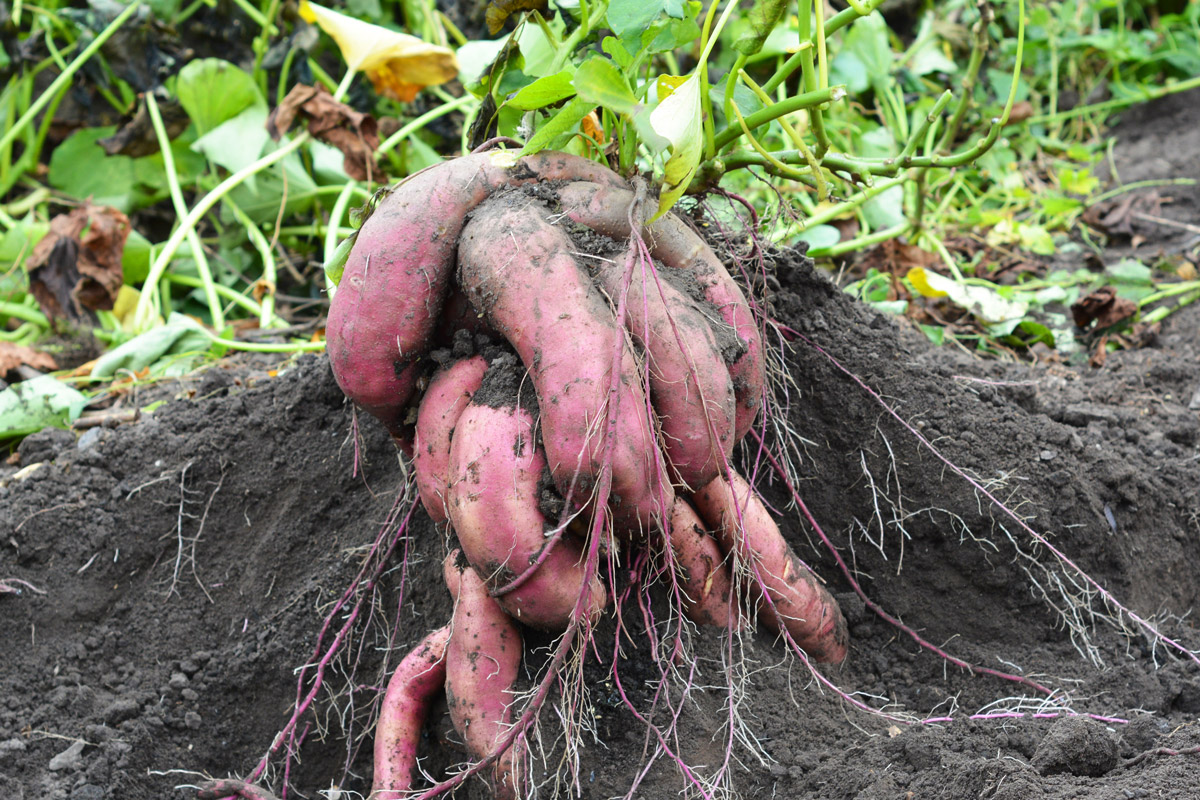
Harvest and processing
Open the bed planner Try free for 7 days, web, iOS and Android