
Growing watermelons isn't the easiest task, but it's definitely doable. This annual fruit vegetable originates from Africa and loves warmth and sheltered spots. People have been cultivating watermelons for at least 6,000 years.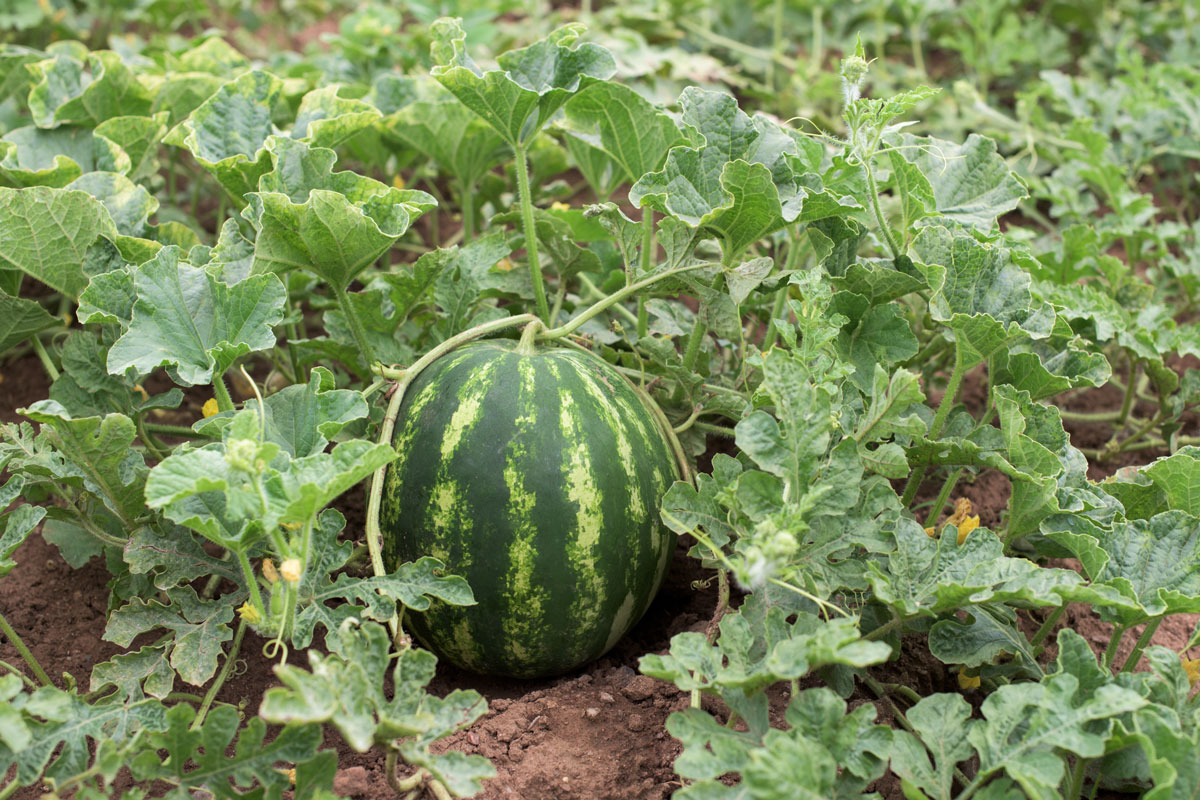
tchara/Shutterstock.com
Facts and figures
Planting & harvest times of Watermelon
OutdoorsTransplant to bed from Late May to Late June. Pre-grow about 30 days before planting out, approximately between Late April and Late May. After a growing period of 120 days, harvest can begin around Late August and continues until Mid October.
GreenhouseTransplant to bed from Late April to Late June. Pre-grow about 30 days before planting out, approximately between Late March and Late May. After a growing period of 120 days, harvest can begin around Mid August and continues until Late October.
Plant Watermelon
Sow the seeds directly into a larger pot with potting compost. Don't prick them out, as they can't cope with root damage.
Make sure you plant at least two plants. The fruits only develop when pollinated by another plant.
Location and soil
This heat-loving plant does best in a greenhouse or a hotbed in our climate. A hotbed is a special type of cold frame where you put a layer of fresh manure at the bottom. As it continues to decompose, it generates heat – basically a natural underfloor heating system.
In mild wine-growing regions, some varieties also grow outdoors, possibly with black plastic mulch covering the soil. You can also grow them in a large pot in a sheltered spot on a balcony or patio.
The plant needs humus-rich soil with good water retention.
Good and bad companions of Watermelon
Predecessors and successors of Watermelon
Care and fertilising
Unlike sugar melons, you must not prune watermelon plants, as the fruits develop at the ends of the vines.
Water regularly with lukewarm water while the fruits are growing. Once they've reached their full size and are just ripening, ease off the watering – otherwise the fruit may split.
The name watermelon doesn't come from needing lots of water, but from the fact that the fruit stores an incredible amount of water.
You can also train watermelons up a string. If you do, support the fruits with a net bag so they don't tear off.
Harvest and processing
You can tell a melon is ripe by its dull, hollow sound when you tap it. The spot where it rests on the ground turns yellowish, and the tendril opposite starts to wither.