
Like radicchio and chicory, sugar loaf chicory descends from wild chicory, whose blue flowers line the roadsides in summer. The name is misleading when it comes to taste – it's actually quite bitter – and refers to the cone-like shape. It's a very healthy winter salad thanks to its bitter compounds, and you can harvest it well into November since it tolerates frost down to -7 degrees. The later you harvest it, the milder it gets. After the first frost, it's at its mildest.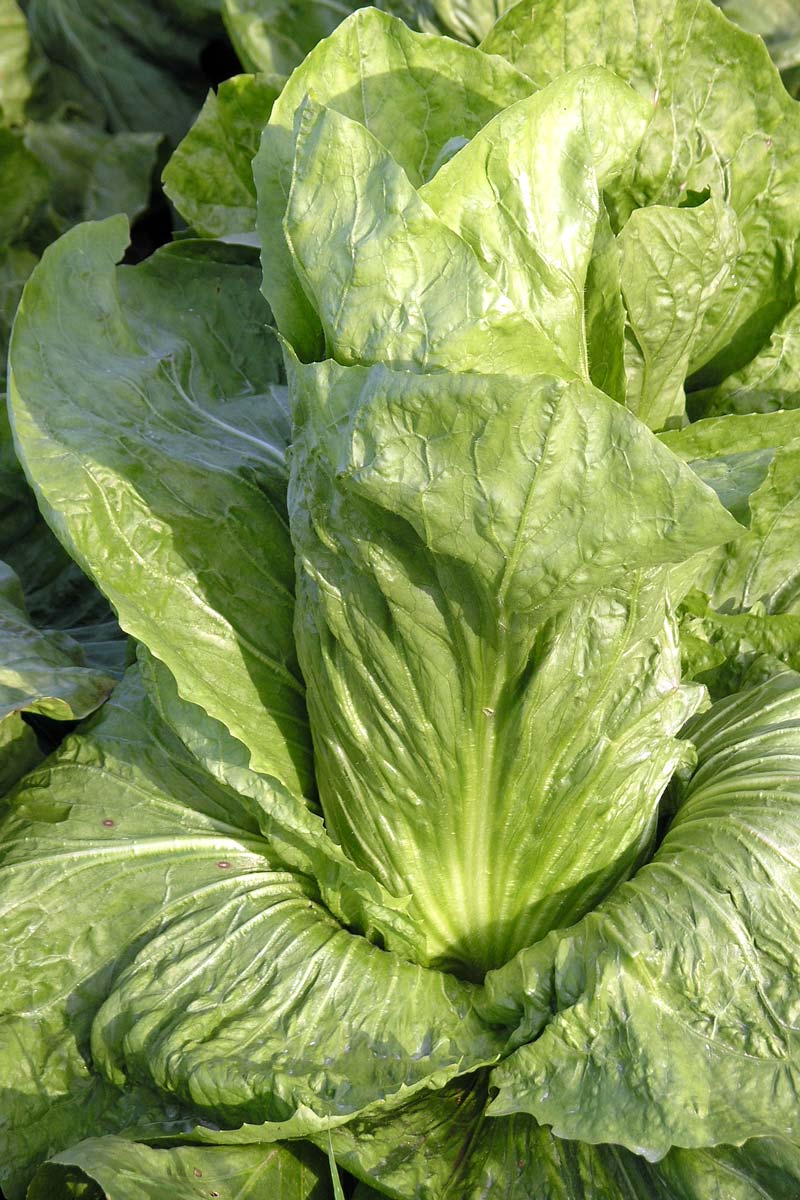
Goldlocki (CC BY-SA 3.0)
Facts and figures
Planting & harvest times of Sugar loaf chicory
Direct sowing from Mid June to Late July. Transplant to bed from Mid June to Late July. Pre-grow about 30 days before planting out, approximately between Mid May and Late June. Harvest begins around Late August and continues until Late November.
Sow and plant Sugar loaf chicory
You can sow directly outdoors or plant out seedlings from the end of June. Place the seedlings or seeds about 3 cm deep with 30 cm spacing in both directions.
Location and soil
It prefers a good garden soil – humus-rich, loose and slightly moist. It thrives equally well in partial shade and full sun.
Good and bad companions of Sugar loaf chicory
Lamb's lettuce, carrots, fennel and tomatoes make good neighbours. Other chicory types and potatoes aren't ideal neighbours.
Predecessors and successors of Sugar loaf chicory
Chicory salads, artichokes and marigolds aren't good predecessors or successors. Spinach and legumes, on the other hand, work well.
Care and fertilising
Before planting, enrich the soil with some well-rotted compost. During the growing phase, feed occasionally with an organic fertiliser or a plant liquid feed. Keep the area weed-free, especially in the beginning.
Harvest and processing
After 8 to 12 weeks you can finally harvest the sugar loaf chicory. The longer you wait with the harvest – ideally until after the first frost – the milder the flavour becomes. You can eat it raw as a salad or pan-fried. You can also store it well in a cold, dark cellar. There it stays fresh for several weeks. If you leave the roots attached at harvest and bury them in moist sand in a cold cellar, the salad keeps well into the following spring.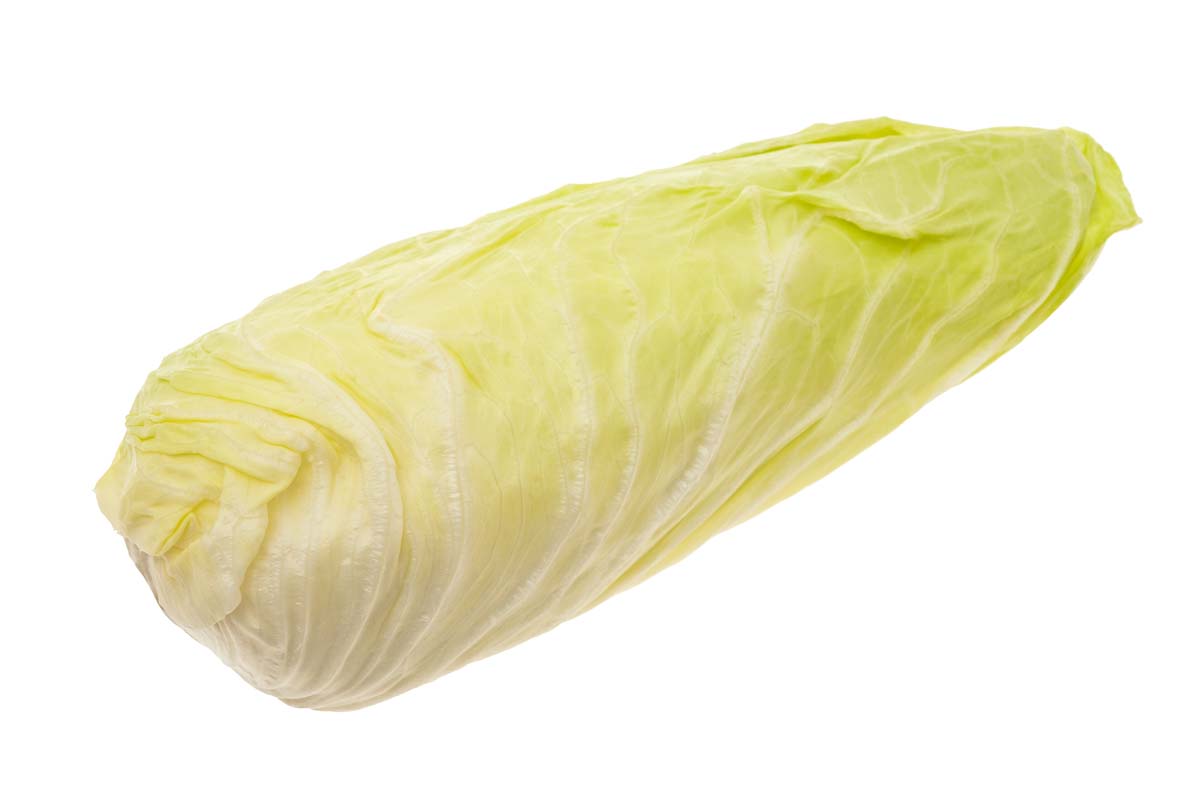
Scisetti Alfio/Shutterstock.com