
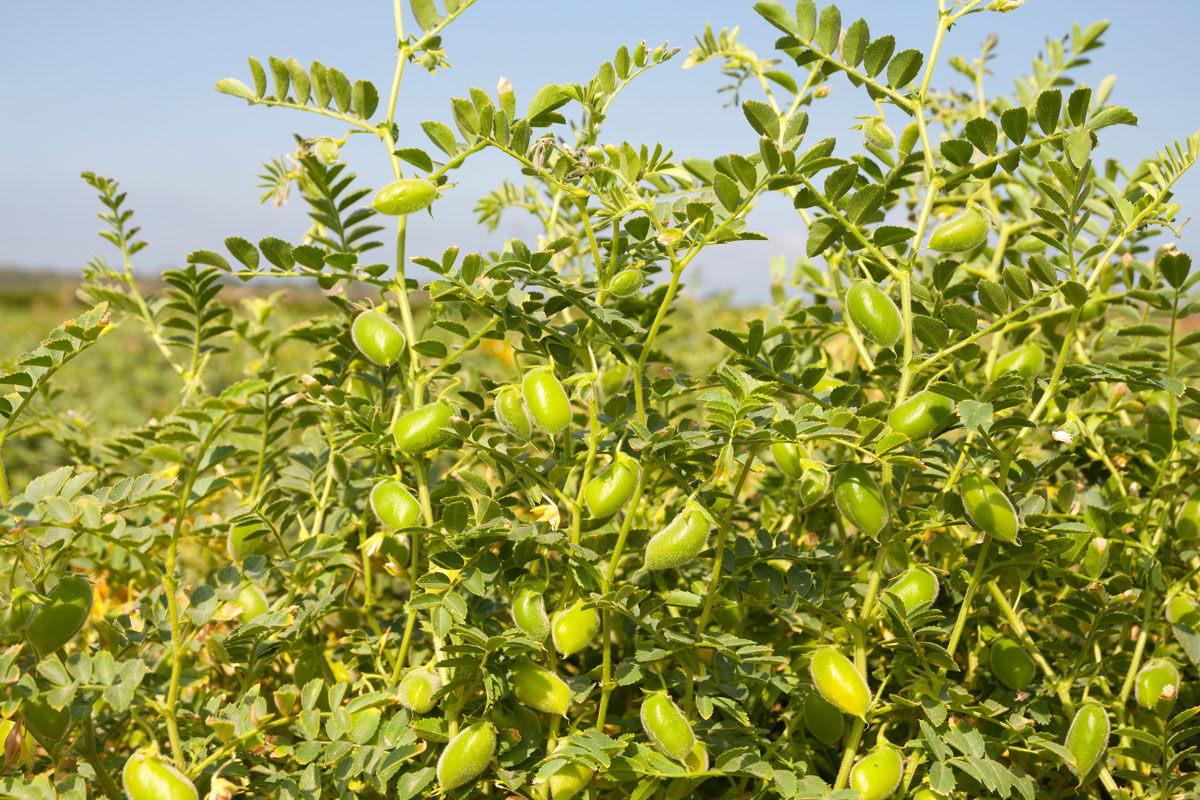
The chickpea needs quite a lot of warmth. In our latitudes, you really need a mild, wine-growing climate and certain early-maturing varieties for them to ripen. The name derives from the Latin "cicer", which simply means pea.
Facts and figures
Planting & harvest times of Chickpea
Direct sowing from Mid May to Mid June. Transplant to bed from Mid May to Mid June. Pre-grow about 21 days before transplanting, approximately between Late April and Late May. After a growing period of 110 days, harvest can begin around Mid July and continues until Late September.
Sow and plant Chickpea
The seedlings have a better chance if you start them off in pots.
Location and soil
It prefers sandy, nutrient-poor soil. It can't cope with heavy, wet soils. The spot should be warm and sheltered.
Good and bad companions of Chickpea
Predecessors and successors of Chickpea
- Loosens soil, improves soil structure
- Nitrogen release
- Nitrogen release
- Nitrogen release
- Nitrogen release
- Nitrogen release
- Nitrogen release
- Nitrogen release
- Nitrogen release
- Nitrogen release
- Nitrogen release
- Too much nitrogen for a sensitive successor
- Too much nitrogen for a sensitive successor
Varieties
Look out for early-maturing varieties.
Care and fertilising
They don't need any fertiliser and handle drought well.
They work nicely as green manure themselves and leave behind nitrogen-enriched soil, just like other legumes. That makes them a great preceding crop for various heavy feeders.
Harvest and processing
You should soak raw chickpeas overnight in water to flush out bitter compounds and a toxin called phasin. Throw away the soaking water.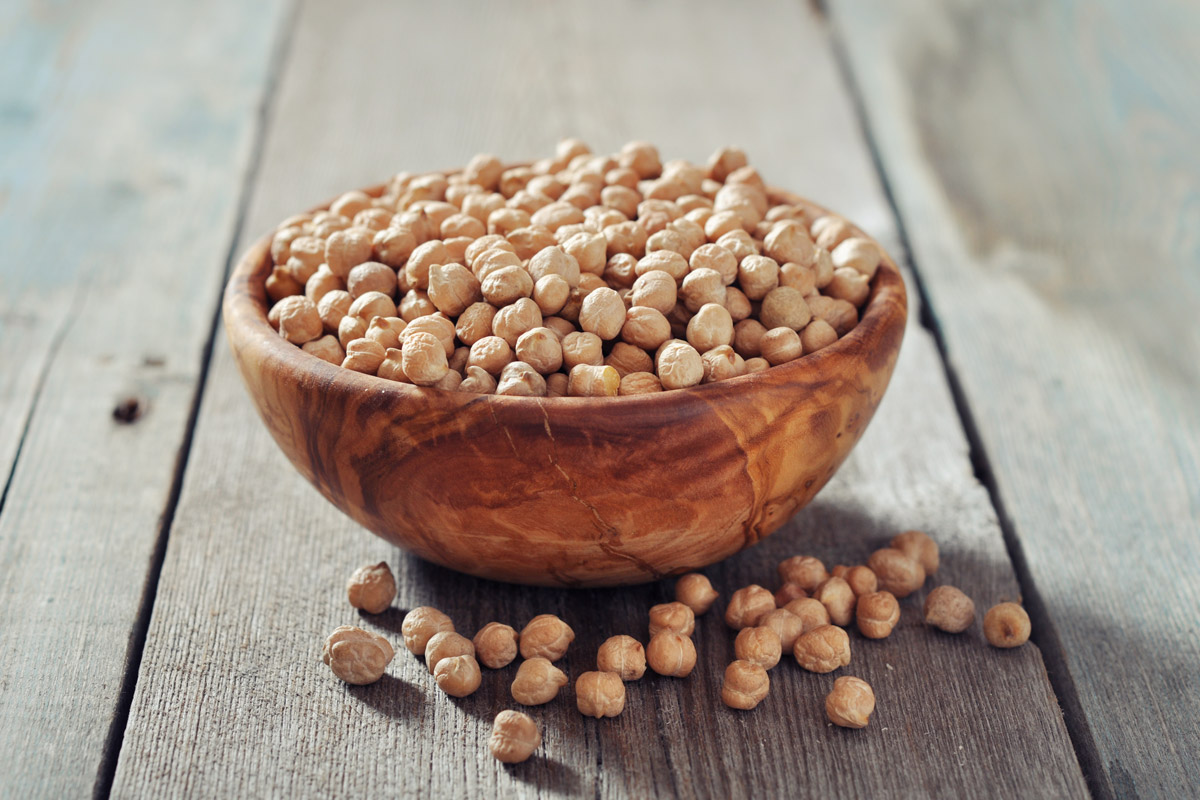
Open the bed planner Try free for 7 days, web, iOS and Android