Growing Chinese cabbage

Brassica rapa subsp. pekinensis celery cabbage, napa cabbage, pe-tsai, wombok
Other names
celery cabbage, napa cabbage, pe-tsai, wombok
Botanical name
Brassica rapa subsp. pekinensis
Family / Genus
Brassicaceae / Brassica
Plant category
Cabbage vegetables
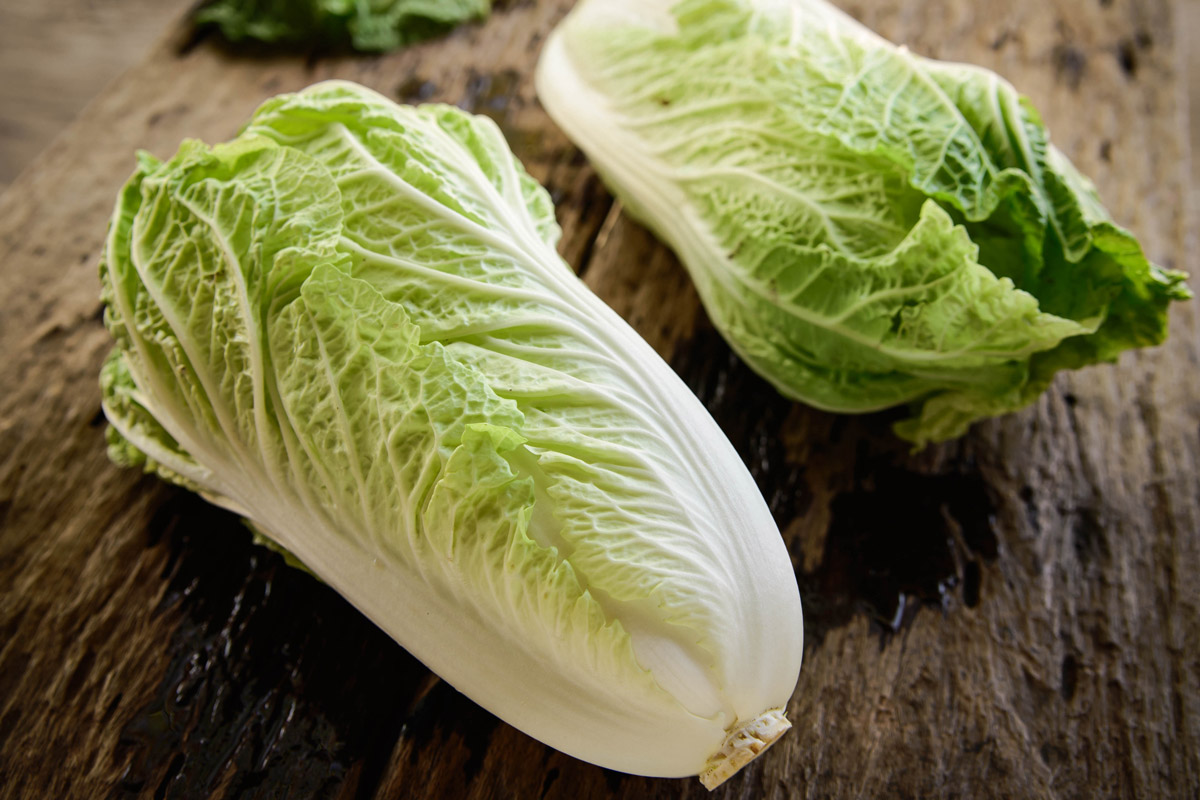
Chinese cabbagenatthawut ngoensanthia/Shutterstock.com

Even though you might read otherwise now and then – Chinese cabbage is a bit of a diva to grow and better suited for more experienced gardeners. At the slightest thing it doesn't like, it bolts straight away.

Facts and figures

Light requirements
Sun / partial shade
Nutrient requirements
Heavy feeder
Difficulty level
Expert
Culture (according to Gertrud Franck)
B - late
Culture (according to Sister C. Weinrich)
Companion crop
Growing period
70 days
Row spacing
40 cm
Plant spacing
50 cm
Sowing depth
2 cm
Germination temperature (minimum)
12 °C
Germination temperature (optimal)
18 - 22 °C
Germination type
Light and dark
Pre-growing period
30 days

Planting & harvest times of Chinese cabbage

1
2
3
4
5
6
7
8
9
10
11
12
Direct sowing
Pre-grow
Transplant
Harvest

Direct sowing from Mid June to Early August. Transplant to bed from Mid July to Late August. Pre-grow about 30 days before transplanting, approximately between Mid June and Late July. After a growing period of 70 days, harvest can begin around Late August and continues until Late October.

Sow and plant Chinese cabbage

It prefers cooler conditions. Don't try growing Chinese cabbage too early in the year. It won't work. It'll bolt immediately.

Good and bad companions of Chinese cabbage

Very good neighbours
Subterranean clover
Good neighbours
Crimson clover
Lamb's lettuce
Phacelia
White clover
Bad neighbours
Mustard
Radish

Predecessors and successors of Chinese cabbage

Good predecessors
Alfalfa
Berseem clover
Buckwheat
Common vetch
Crimson clover
Hairy vetch
Lupin
Oats
Persian clover
Phacelia
Red clover
Sainfoin
Soya bean
Subterranean clover
Sunflower
White clover
Winter rye
Bad predecessors
Garden cress
Horseradish
Mizuna (Asian greens)
Rocket
Spinach
Swede
Turnip
Winter cress
Very bad predecessors
Black kale
Broccoli
Brussels sprouts
Cauliflower
Chinese cabbage
Flower Sprouts
Kale
Kohlrabi
Mustard
Oil radish
Pak choi
Pointed cabbage
Red cabbage
Romanesco
Savoy cabbage
White cabbage
Good successors
Alfalfa
Berseem clover
Common vetch
Crimson clover
Hairy vetch
Persian clover
Phacelia
Red clover
Subterranean clover
White clover
Winter rye
Bad successors
Batavia lettuce
Butterhead lettuce
Carrot
Cucumber
Garden cress
Honeydew melon
Horseradish
Iceberg lettuce
Lollo biando / Lollo rosso
Melothria
Mizuna (Asian greens)
Oak leaf lettuce
Radish
Rocket
Romaine lettuce
Sainfoin
Swede
Turnip
Watermelon
Winter cress
Very bad successors
Black kale
Broccoli
Brussels sprouts
Cauliflower
Chinese cabbage
Flower Sprouts
Kale
Kohlrabi
Mustard
Oil radish
Pak choi
Pointed cabbage
Red cabbage
Romanesco
Savoy cabbage
White cabbage

Care and fertilising

The plants need a very good and consistent supply of nutrients and water, as they grow incredibly fast. Otherwise they'll bolt quickly, meaning they go to flower.

Diseases and pests

Chinese cabbage, just like pak choi, attracts flea beetles and aphids like a magnet. Both are susceptible to clubroot, Alternaria and Phoma. You're better off growing them under a protective net.

Susceptible to
Alternaria leaf spot of brassicas
Black rot(low susceptibility)
Cabbage aphid
Cabbage moth
Cabbage root fly
Cabbage whitefly
Cabbage whites
Clubroot(high susceptibility, resistant varieties available)
Diamondback moth
Downy mildew of brassicas
Flea beetles(high susceptibility)
Swede midge

Harvest and processing

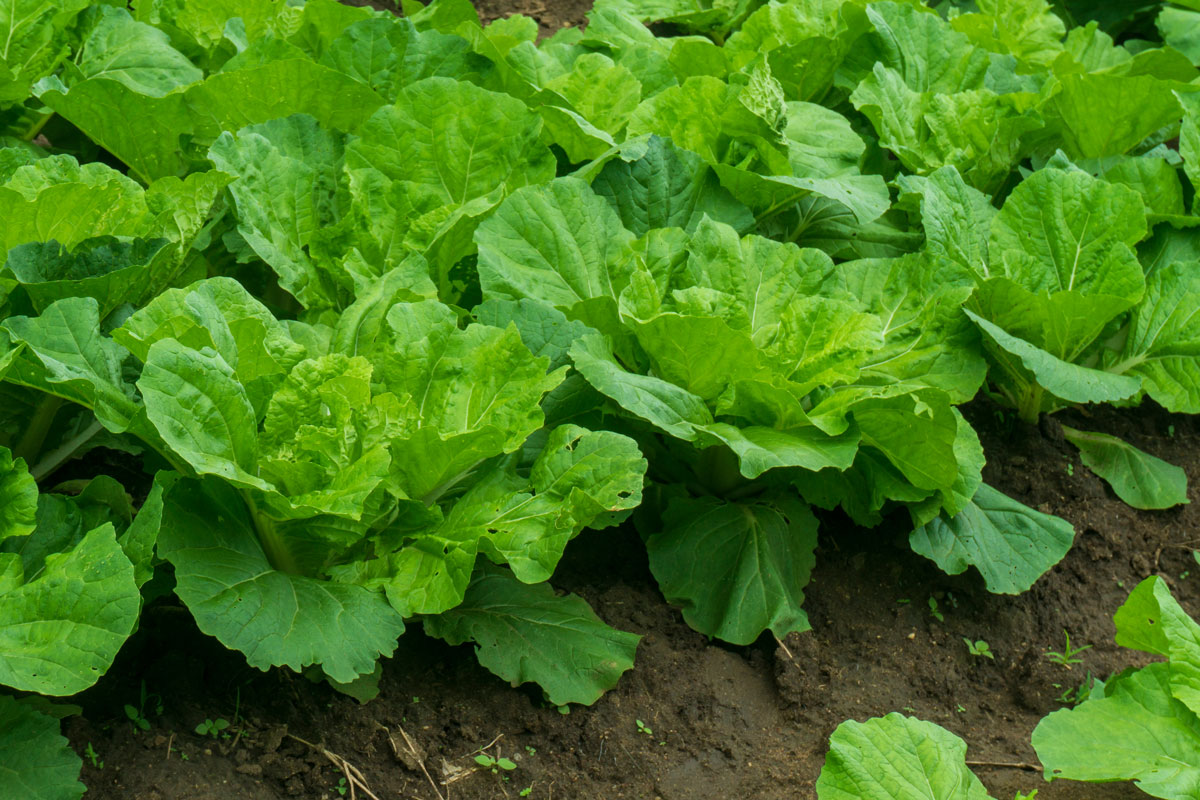
Background All/Shutterstock.com

Open the bed planner Try free for 7 days, web, iOS and Android