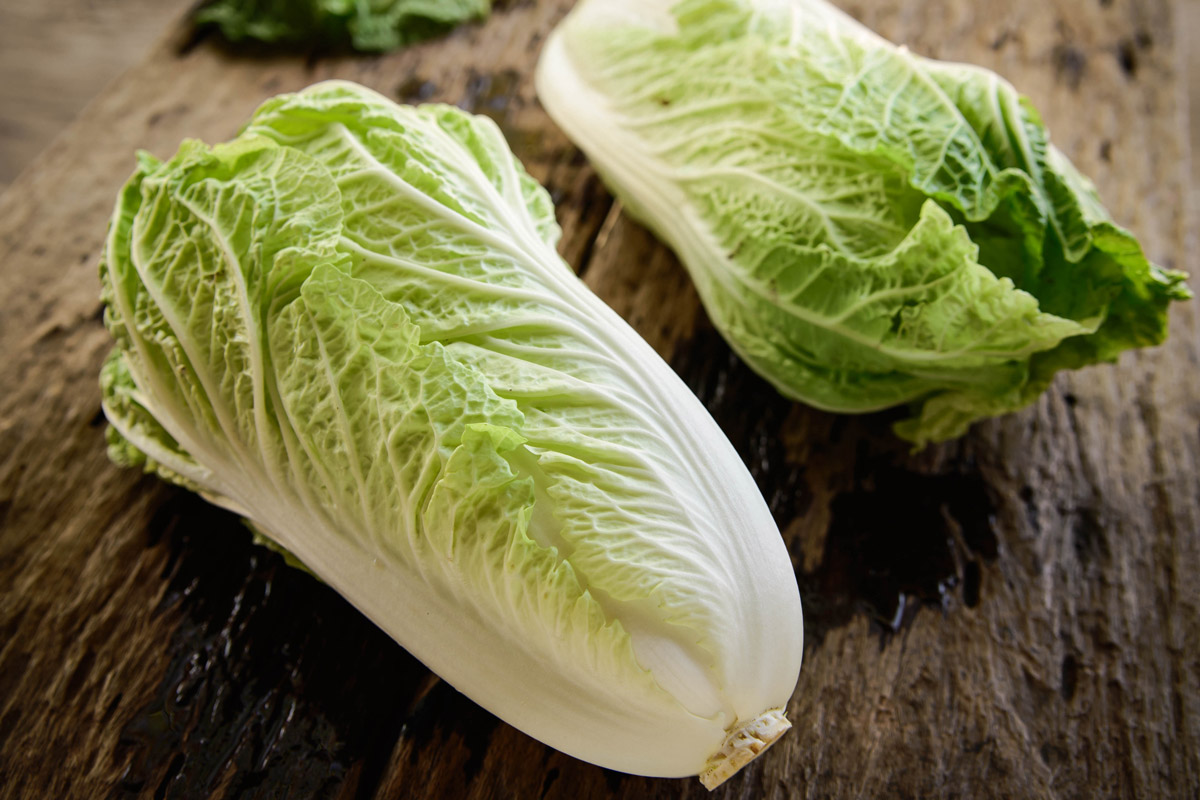
Even though you might read otherwise now and then – Chinese cabbage is a bit of a diva to grow and better suited for more experienced gardeners. At the slightest thing it doesn't like, it bolts straight away.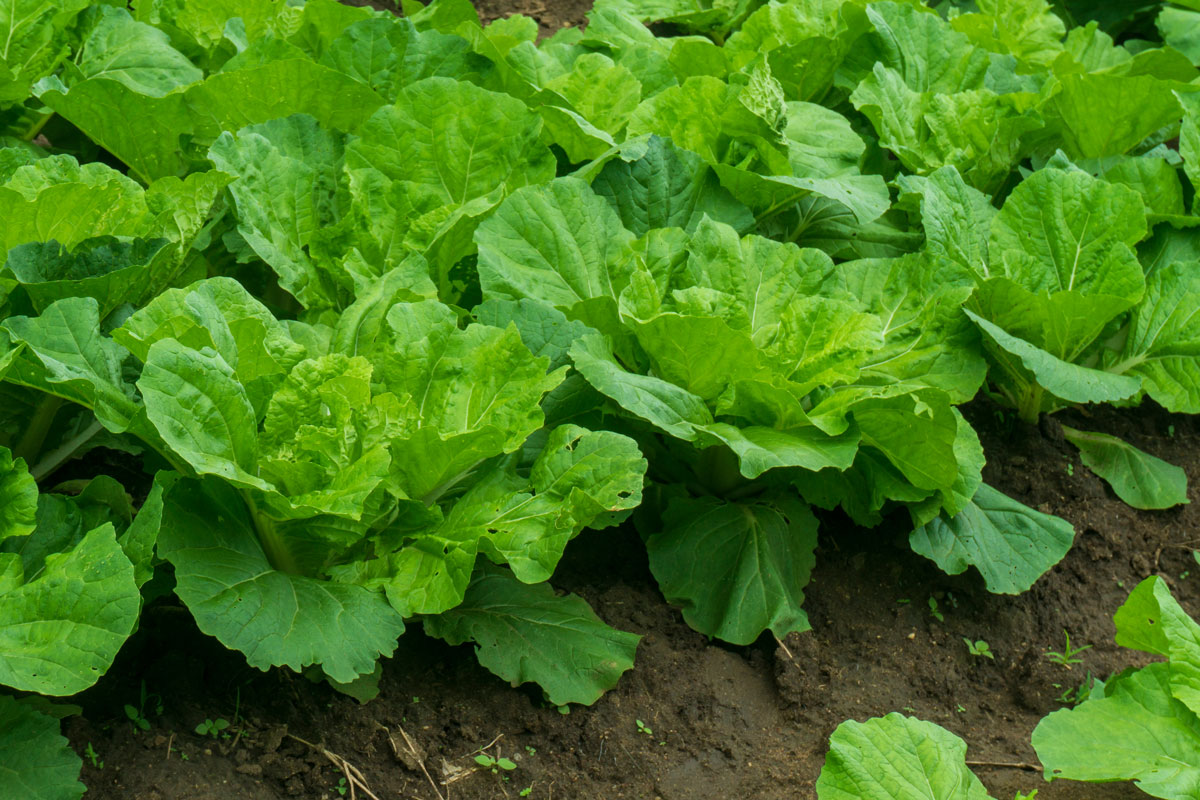
natthawut ngoensanthia/Shutterstock.com
Facts and figures
Planting & harvest times of Chinese cabbage
Direct sowing from Mid June to Early August. Transplant to bed from Mid July to Late August. Pre-grow about 30 days before planting out, approximately between Mid June and Late July. After a growing period of 70 days, harvest can begin around Late August and continues until Late October.
Sow and plant Chinese cabbage
It prefers cooler conditions. Don't try growing Chinese cabbage too early in the year. It won't work. It'll bolt immediately.
Good and bad companions of Chinese cabbage
Predecessors and successors of Chinese cabbage
Care and fertilising
The plants need a very good and consistent supply of nutrients and water, as they grow incredibly fast. Otherwise they'll bolt quickly, meaning they go to flower.
Diseases and pests
Chinese cabbage, just like pak choi, attracts flea beetles and aphids like a magnet. Both are susceptible to clubroot, Alternaria and Phoma. You're better off growing them under a protective net.
Harvest and processing