
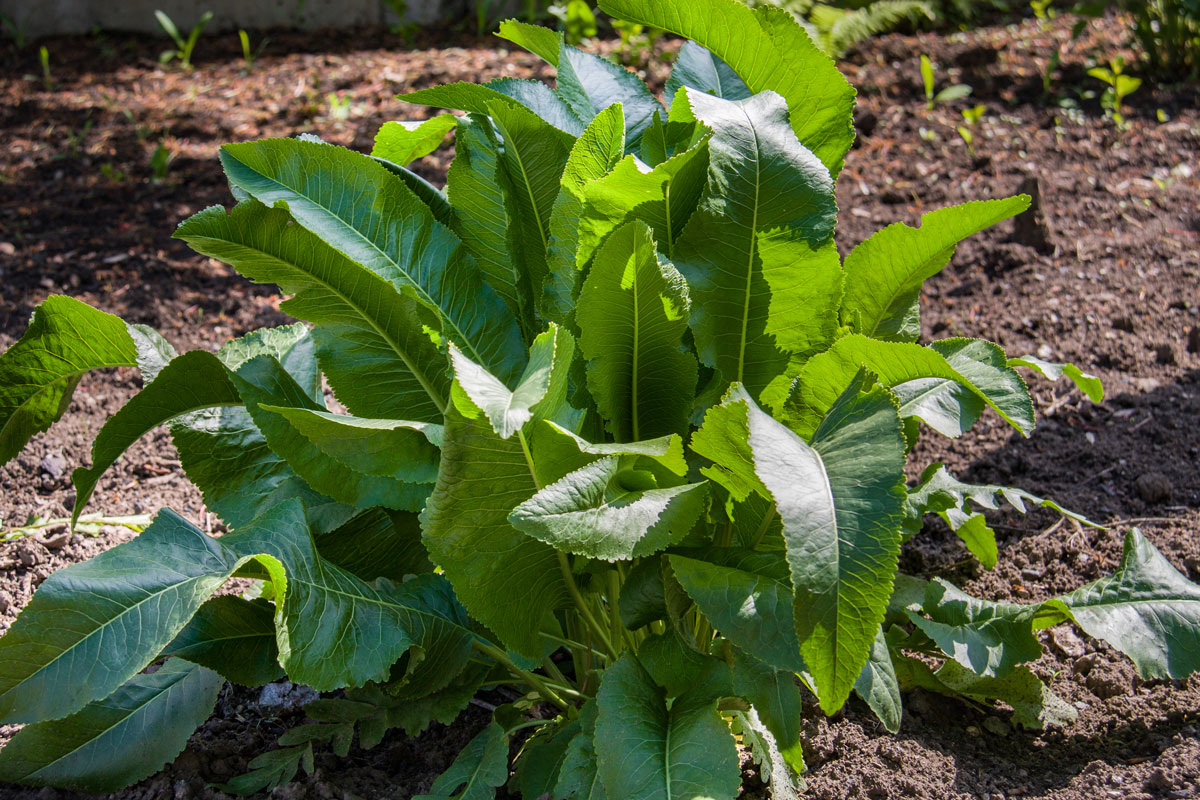
Facts and figures
Planting & harvest times of Horseradish
SpringTransplant to bed from Mid April to Mid May. Harvest begins around Early October and continues until Late February next year.
AutumnTransplant to bed from Early September to Late October. Harvest begins around Early October and continues until Late February next year.
Plant Horseradish
Horseradish is almost never grown from seed. Instead, you propagate it from so-called sets – the strong side roots that branch off the main root. So you're essentially working with root cuttings.
Plant them out in autumn or in spring from mid-April onwards.
Push them into the soil at a slight angle, making sure they point in their original growing direction. The top end should poke out about 3 cm above the well-loosened, compost-enriched soil.
Good and bad companions of Horseradish
Predecessors and successors of Horseradish
Care and fertilising
Horseradish needs consistent moisture to develop nice roots.
Harvest and processing
You can harvest all winter long, as long as the ground isn't frozen. Always loosen the soil with a digging fork first – don't just pull on the plant. It would snap off.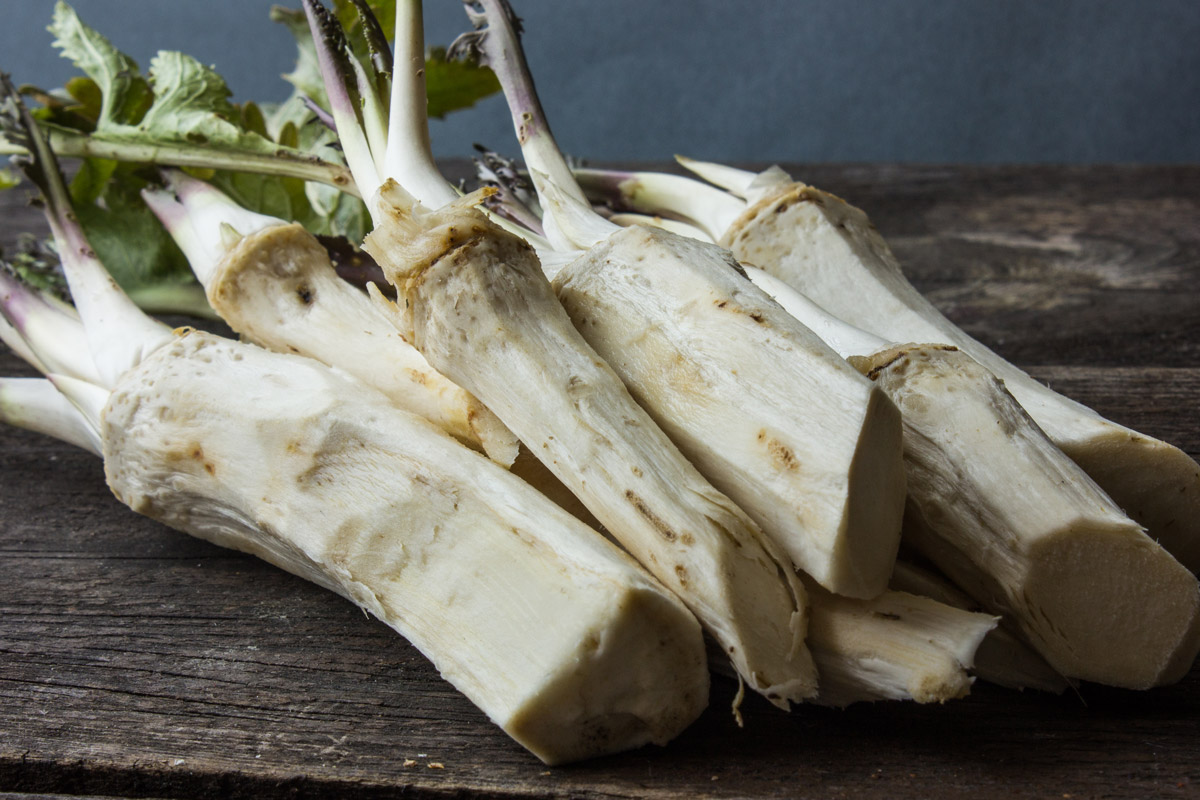
Sokor Space/Shutterstock.com